What to Check Before You Invest With Cryptocurrency: Risks and Storage
How to Invest With Cryptocurrency Without Chasing the Next Hot Thing
Thinking about how to invest with cryptocurrency? Start with the dull parts: what the coin does, who can sell it, who holds the keys, and what rules may change. A coin can be real, useful, and still lose most of its price. Media can turn a small project into a headline, then leave you holding it when the story fades.
I treat crypto as a high-risk part of a portfolio, not a payoff machine. This post is about putting money into crypto without handing your judgment to a ticker, a celebrity, or a hype cycle. The gain may be big. So may the loss. That needs to be clear before you buy.
What Cryptocurrency Is
Cryptocurrency is digital money recorded on a blockchain, a shared ledger kept by many computers. Cryptography helps check and record transactions. The setup is meant to make double spending and simple counterfeits very hard. It does that without a bank or central government running each payment.
Common uses of crypto
- Buy goods or services where a seller accepts it
- Send or receive funds across borders
- Trade a digital asset on an exchange
- Hold a coin directly or through an investment product
Some coins are made by companies for use with their own products. Bitcoin and Ethereum are separate digital assets. A token may give its holder use of a service or some claim, but not every project has a working product, real users, or cash flow. The token itself has no physical form.
Not having a central issuer does not mean there are no rules or risks. A project can fail, an exchange can close, and a government can change its view of a token. Cross-border use and added privacy may be useful, but they do not prove that a coin is safe.
“Blockchain and cryptography are intended to make crypto almost impossible to counterfeit or spend twice.”
Why Crypto Prices Move
A crypto price is what buyers and sellers agree at the time of a trade. No central bank sets it. Demand, use, trust, and fear all affect the result, sometimes within minutes.
Common price drivers
- More users and more useful apps
- More buyers and sellers, which creates liquidity
- Limited supply when demand rises
- News, social attention, hacks, and security breaches
- Rules, bans, and political choices
- A large user base and real-dollar investment in the network
An asset with many buyers and sellers is usually easier to buy or sell. A thin market can jump on a small trade and fall just as fast. Media can create demand without adding a new product or source of value, so a large social following is not proof of a sound project.
Timing is weak because all these forces can change at once. One source compares some crypto trading to gambling because it sees no dependable price pattern. Another says Bitcoin's value cannot be worked out from assets, earnings, or cash flow. A date on a chart does not fix either problem.
“What's the value of Bitcoin? No one knows?”
Market Cap, Liquidity, and Sale Risk
Market cap is an asset's total market value. The source uses it as a rough sign of size and relative risk. It does not tell you what a coin does, whether its makers are honest, or whether its price makes sense.
The source's rough market-cap split
- Small cap: below about $1 billion, with more growth claims and more failure risk
- Mid cap: about $1 billion to $10 billion, with higher claims and higher relative risk
- Large cap: above about $10 billion, often with more trading activity but slower growth claims
Bitcoin and Ethereum are listed as large-cap examples with longer records and more trading activity. An altcoin is any crypto other than Bitcoin or Ethereum. Some altcoins run real services, but others are newer, less known, and harder to sell during a drop.
A crypto coin investment can still fail if its project stalls, its exchange shuts, or buyers disappear. Spreading money across market-cap groups can reduce the damage from one coin. It cannot stop a broad crypto crash, and a low token price is not proof that the coin is cheap.
Research and Scam Checks
A ticker is a starting point, not an answer. Learn how the network works, how the price forms, and what can stop the project or the exchange. Then look outside the project's own posts and ads.
Questions to answer before buying
- How long has the asset operated?
- Are users, developers, and transactions active?
- Are there real buyers and sellers?
- Is there enough market cap and trading activity to support a sale?
- Who owns the project and exchange?
- Can you trace the team's past work and names?
- Is the public code updated?
- Does the return depend on new buyers instead of real use?
Open communities can help you find code, news, and warnings. They can also spread lies fast. A message from a trader funded by crypto may be an ad, not proof. Check claims against code, transaction data, and outside coverage.
The source does not name the best books for learning about cryptocurrency . Its research advice is more direct: check live code, users, trades, team history, and enough buyers to support a sale. If you are searching for crypto investing basics , start with those facts rather than the sales story.
Fraud did not begin with crypto, but its global reach and use of fake names give scammers useful tools. The source tells of PlusToken, which promised 10% to 30% each month and drew more than three million people. It also describes OneCoin as a false cryptocurrency that took $25 billion from buyers.
Common warning signs
- A guaranteed or unusually large return
- An investment pitch from someone you never contacted
- A request to pay a government, company, or celebrity
- Urgent messages, free coins, or a promise to double money
- A request to send a small amount before receiving tokens
- An upfront deposit before any return
- No track record, real team, or outside coverage
- Abandoned code that does not match the sales pitch
A guaranteed return is a warning, not a promise.
How to Invest With Cryptocurrency, Step by Step
The order matters. First pick the type of exposure and the risk you can take. Then pick a platform, verify the account, add a payment method, and review every fee before you click buy.
A simple buying order
- Choose a direct coin, fund, or retirement-account structure
- Match the market-cap group to your loss limit
- Review the coin's uses, users, code, and risks
- Compare an exchange with a broker app
- Complete identity checks before funding
- Check deposit and settlement times
- Make a small first purchase if the research holds up
The source says direct crypto purchases may have no set minimum. That makes a small test easy. It does not make the purchase safe, and it does not promise you can sell at the price shown on the screen.
Do not let a short-term chart pick the coin for you. Check whether people use the asset, whether trades are healthy, and whether the platform can complete a sale. A market that looks deep on a calm day may dry up during panic.

Platforms, Identity Checks, and Funding Costs
An exchange gives direct access to coins. A broker app may be easier for a beginner but often costs more. Check security, coin support, fees, withdrawal rules, and where the service can operate. A clean app does not prove a safe exchange.
Questions to ask about the platform
- Can you fund the account with U.S. dollars?
- Does registration require email, phone, or government ID?
- What is the exact buy, sell, and withdrawal fee?
- How long can money or crypto take to clear?
- What do wire or card payments cost?
- Can you move assets out, or are there limits?
- How does the platform handle security and account recovery?
Wire transfers can cost more. Credit cards can cost more and add risk. Deposited money may need time to clear. The quoted price is not the whole amount that leaves your account, so add fees before you judge the possible return.
A crypto investment can be direct or through a fund. A fund may spare you the need for a private key, but it can add fees, sale limits, sponsor risk, and exposure to companies that hold or serve crypto projects.
The source set does not explain an under 18 crypto wallet . Since some platforms ask for government ID, a young person should ask the provider what account and identity rules apply. Do not assume the same signup flow used by an adult will work.
Wallet Storage and Account Security
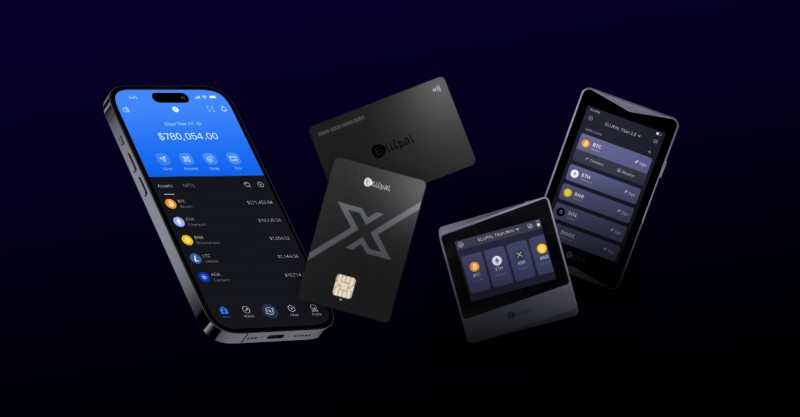
A wallet controls access to coins. Its key proves that you can move them. If someone steals the key, they may be able to take the coins. If you lose it, you may not get them back.
Main wallet types
- Hot wallets connect to the internet and are fast but easier to attack
- Warm wallets are software-based and also connect to the internet
- Cold wallets are stand-alone devices that stay offline
- Exchange wallets are hot accounts held by the trading platform
The source presents cold storage as the safer choice for most coins held outside an exchange. That is not a promise. A cold device still has setup and key-handling risks. Buying a device does not move coins into safe storage until the keys are handled with care.
Exchange accounts make trading easy, but exchanges are often attacked. The source says an exchange wallet may fit near-term needs, not all long-term holdings. For a longer hold, keep only what you need for trades online and know how the rest is secured.
A basic account safety list
- Use an auth app instead of text codes for two-factor login
- Use a password manager for account passwords
- Save recovery codes away from the device
- Keep private keys out of email and online notes
- Avoid public Wi-Fi for wallet or account work
- Replace the router's factory password
- Use security software on each device
- Use an encrypted VPN with a kill switch when it adds protection
The security guide tells of a hot-wallet hack that cost an investor more than $70,000. It also tells of a worker who reportedly lost access to millions after throwing away a flash drive. These are not odd stories. Keys and backups fail in ordinary ways.
If a seller calls a product an American made wallet , that label does not answer the storage questions. Ask whether it connects to the internet, who controls the recovery key, and how the device stores it. The source gives no safety award for where a device was made.
“A lost private key can mean permanent loss of access.”
Is Crypto a Good Investment?
The answer depends on the person, not the ticker. Crypto can offer small-entry access, a different mix than stocks and bonds, possible long-term growth, and a way to hold it inside some tax-advantaged accounts. Each benefit comes with fees, rules, and risk.
Reasons cited for holding crypto
- A direct purchase may start with a small amount
- It can add an asset type missing from a portfolio
- Some coins have a limited total supply
- The market may still have room for growth
- Some sources call it a possible inflation hedge
- A self-directed retirement account may allow crypto
Some sources also claim fewer carry costs than real estate. They point to property tax, insurance, and annual brokerage fees. But exchange and broker fees still apply, and taxes can arise when you sell. Lower carry costs do not mean lower market risk.
Others see the same features as faults. Crypto usually pays no dividend or interest. No person or company must need the coin, so the holder depends on a buyer when selling. So is crypto a good investment ? It may suit a small part of some portfolios, but it cannot promise income or a sale at your chosen price.
Basic portfolio checks
- Set the most you could afford to lose
- Start with a small amount if you choose to buy
- Match large-cap and altcoin risk to your limit
- Keep crypto from carrying the whole portfolio
- Remember that a broad crypto drop can hit every coin
I like a plain test: if the price falls by half and stays there, does the rest of your plan still work? If the answer is no, the position is too large. This is not a forecast. It is a check on how much room the loss can take.
Self-Directed IRA Rules Before Crypto
A self-directed IRA can hold assets beyond a normal retirement account, including some direct crypto setups. That does not make it a safe crypto wrapper. It adds custodian rules, fees, forms, and limits on how the account holds assets.
Common SDIRA funding and custody points
- Cash can usually fund the account
- Money can roll over from a 401(k) or similar account
- The annual contribution limit still applies
- A custodian or trustee must control assets under account rules
- Personal use of IRA assets can cause problems
- The custodian reports the account's fair market value each year
- The provider must support the chosen coin and structure
One source says holding private keys personally can disqualify the IRA. Another says an investor may control keys or use a wallet through an LLC. That conflict matters. Do not fund the account until the custodian, administrator, and tax adviser confirm the exact setup in writing.
Ask what happens to wallet access if you die or lose account access. A lost seed phrase can already block recovery, and an IRA can add legal and record steps. Complex does not equal tax-smart.
Direct Crypto, a Digital Fund, or an IRA LLC
A direct token gives you control and the burden of key storage. A digital-currency fund gives indirect exposure through companies that hold crypto or provide services. An LLC inside a self-directed IRA can hold a wallet or exchange account, but it adds setup, reporting, and legal duties.
What each structure adds
- Direct crypto: key loss, theft, exchange, and market risk
- Digital fund: sponsor, fee, share-price, and sale-limit risk
- IRA LLC: setup, filing, custodian, wallet, and exchange risk
- All three: the risk that the crypto price falls
The tax case is not free money. The source says gains may receive different treatment inside a retirement account and that withdrawals may be taxed as income. It also has broad and conflicting tax lines. A retirement account can change when tax is due; it does not remove market loss, fees, or yearly reporting.
A fund does not remove crypto risk. It adds the sponsor, the firms in the fund, fees, and limits on selling. Direct crypto adds key and exchange risk instead. Each path puts a wall between you and the coins, but none of those walls makes the coins safe.
Tax, Rules, and Key Control
The source set does not agree on the legal label. One passage says the IRS does not treat crypto as currency. Another describes it as a commodity like stock. Those labels can lead to different tax and rule questions, so do not flatten them into one slogan.
Questions to settle before funding
- How is the asset treated for tax?
- What happens on a buy, sale, or trade?
- How are retirement-account withdrawals handled?
- Does the setup count as a prohibited personal use?
- Who controls each private key?
- What fees and yearly value reports apply?
- Which state, federal, or foreign rules apply?
A broad statement that crypto is "not taxed" is not safe to use. The same source set later discusses capital gains tax and tax on IRA withdrawals. Do not mix those settings. Confirm the exact transaction and account with a qualified tax adviser.
Rules can change. A token may face a limit or ban, and an exchange can lose the ability to serve you. That risk sits beside cyber theft and project failure. No type of wallet removes it.
Where Investing Views Diverge
The sources do not agree on whether an average person should buy. One says beginners should use crypto for diversification and start small. One author says the risks outweigh the upside and advises against buying. Another says he does not invest and answers the safety question with "no."
Where the skeptical and positive views still meet
- Crypto can lose a large share of its value fast
- Research matters more than a price forecast
- Obscure coins carry added failure and fraud risk
- Bitcoin and Ethereum have more history and liquidity, not safety
- Scams and weak storage can erase an otherwise sound plan
“In my opinion, the weaknesses of crypto as an asset class outweigh its potential upside, and I would not advise people to buy it.”
The sources do not name one coin as the best for every reader, so there is no sound answer to what is best cryptocurrency . The better question is whether a named coin fits your research, storage setup, portfolio size, and tolerance for loss. If you cannot answer basic questions about the project, platform, fees, keys, tax treatment, and sale path, there is no need to click buy.

Comments on “What to Check Before You Invest With Cryptocurrency: Risks and Storage”
No comments yet. Be the first to share your thoughts.