How to Buy Cheap Crypto and Keep It Secure From Day One
How to Buy Cheap Crypto Without the Noise
I keep seeing folks ask how to buy cheap crypto like it's a simple thing. It isn't just grabbing the lowest-price coin and hoping. Cheap crypto means low-priced coins with real networks, active dev work, and a use case that makes sense. I wrote this as field notes, not a pitch. The new world rewards the prepared, not the rushed, and I want you to be ready before you send a single cent.
When you learn how to buy crypto the right way, you look at market cap, not just ticket price. A coin at three cents can be more "expensive" than one at a dollar if it has huge supply. The source I pulled from shows coins like XRP, ADA, XLM, HBAR, and GRT all trade at different prices but the real test is whether the network is doing something useful. Don't chase a number because it looks small.
The low-price game pulls people in because small money can become big money. The same swing that gives 10x can wipe you out just as fast. I'm not here to scare you, but blind buys on hype are how folks lose rent money. Research the fundamentals, the use case, and the growth of the ecosystem before you click swap.
Undervalued Coins Worth a Look
Some affordable coins show up again and again in the source data because they have real value behind them. XRP sits near one dollar fifty and focuses on bank cross-border payments. Cardano trades around twenty-eight cents with smart contracts and DeFi. Hedera is about ten cents and runs enterprise infra with big companies on its council. These are not penny jokes, they have networks that work.
The Graph goes for about three cents and acts like a search layer for blockchain data. Fetch.ai, now part of the Artificial Superintelligence Alliance, trades near seventeen cents and runs autonomous AI agents. Both show up as infra plays with a reason to exist. When you look at cheap crypto, I'd start with names like these before random tokens in a Telegram group.
Coins from the source with real use
- XRP for bank settlement and cross-border pay
- ADA for smart contracts and staking DeFi
- HBAR for enterprise speed and tokenization
- GRT for indexing blockchain data at scale
- FET for AI agents in supply and trade
Cheap crypto should never mean blind speculation. Research fundamentals, use cases, ecosystem growth.
Early Presales Before Listing
Buying new crypto before listing means you get tokens before they hit big exchanges like Coinbase or Binance. The source lists four main routes: direct token sales, launchpad platforms, DEX swaps right after liquidity goes up, and pre-market IOU trades. Each one carries its own risk and lockup pain. I'd say treat these like venture bets, not savings.
One example in the source is Bitcoin Hyper, a presale that links Bitcoin security to a fast execution layer. It pulled in over thirty-one million dollars in early funds and sold tokens under two cents. That fits the cheap crypto thesis, but it is not listed yet. Whales put in six-figure sums, which some read as conviction, but presales can vanish or list low. Hey, don't skip this part: verify the contract yourself.
Ways to get in before listing
- Presales with staged price tiers and lockups
- ICOs that take BTC or ETH for tokens
- IDOs on Uniswap or PancakeSwap, no middleman
- IEOs through Binance or KuCoin with vetting
- Pre-market IOU trades on Bybit or MEXC
If you want to know how to buy a crypto token before it lists, start with the project site and a fresh wallet. Use only the money you can lose. The source says early buyers often get 40 to 60 percent discounts versus later price, but not every token pumps. Some list below presale and stay there.
Where to Buy Crypto Currency Safely
You can find where to buy crypto currency through centralized exchanges, DEXs, or instant swaps. StealthEX shows up in the source as a non-custodial swap that does not hold your funds. You pick a pair, send deposit, get coins in your wallet. No account, no KYC, done in minutes. That cuts custody risk since you never leave coins on a site.
KvaPay is another path in the source where you pass KYC and buy with fiat through SEPA or SWIFT. It supports Bitcoin and stablecoins, and you can use Bitcoin Lightning for small fast sends. Lightning fixes the slow and pricey base layer for tiny amounts. If you're moving five bucks, base Bitcoin fees make no sense, Lightning does.
A safe way to buy crypto is to keep control of your keys. Non-custodial swaps and self wallets beat leaving coins on an exchange you don't own. The source notes phishing is a top danger. Check the domain letter by letter. Facebok.com is not Facebook.com, and one wrong char sends your money to a thief.
Using DEXs for New Coins
DEXs list tokens before centralized venues, so they are key for new crypto coins. Uniswap leads on Ethereum, PancakeSwap is cheap on BNB Chain, Raydium is fast on Solana, and Aerodrome feeds Base. You connect a wallet like MetaMask or Phantom, pick the pair, approve, and swap. Set slippage between half a percent and two percent so you don't get eaten by bots.
The source warns new tokens may lack audits and can be rug pulls. Aggregators like 1inch and Jupiter help find better price across pools. Gas varies, so Layer 2 cuts cost a lot. If you need to buy or sell cryptocurrency on a DEX, test with ten bucks first. A failed test costs less than a drained wallet.
DEX options from the source
- Uniswap on Ethereum and L2s, deep liquidity
- PancakeSwap on BNB Chain, low fees
- Raydium on Solana, fast and cheap
- Aerodrome on Base, growing ecosystem
- 1inch and Jupiter for best route search
DEXs remain essential for new crypto coins to invest in because they list tokens before centralized exchanges.
Keeping Funds Safe From Day One
Keeping crypto safe starts with wallet choice. A hardware wallet is best for big holdings but easy to lose. A hot wallet is fine for small active use but needs a strong password and 2FA. The source says once you hold serious amounts in a hot wallet, get cold storage. Your seed phrase is the whole game, never type it into a site.
Revoke token approvals often with tools like Revoke.cash. Approval phishing is real, where a bad dApp gets permission to drain you. Whitelist withdrawal addresses on exchanges if you use them. And watch centralization: most wallets call remote nodes like Infura, so a site can hide your NFT if its API drops it. Self-custody is the real fix.
If you use a place to buy Ripple cryptocurrency or any other coin, verify the contract on the explorer. The source notes fake presales and address poisoning scams. Paste the address yourself from the official page and bookmark it. Don't trust a link in a DM, ever.
Bitcoin Lightning for Small Buys
Bitcoin Lightning (LNBTC) is a Layer 2 for cheap instant small transfers. Base Bitcoin does about seven transactions per second and fees spike, so sending tiny amounts is dumb. Lightning fixes that with fast low-fee sends. The source points to KvaPay using Lightning for simple purchases once you pass KYC.
You can also trade bit coin for small stuff without waiting on block times. It's not for holding huge sums, but for coffee-size crypto it works. The source says use Lightning when the amount is small and speed matters. Don't force a big transfer through it if you don't know the route.
Bitcoin Lightning solves scalability: Bitcoin ~7 tps, Lightning fast/thunder low-fee.
Allocation and Risk Habits
The source gives clear size rules. Crypto should be five to ten percent of your total portfolio. Speculative low-cap plays are ten to twenty percent of that crypto slice, about one to two percent of net worth. Base layer BTC and ETH take sixty to seventy percent. Established alts like XRP, ADA, HBAR, ALGO get twenty to thirty. The rest is higher-risk GRT, FET, ARB, SUI.
Dollar-cost averaging helps if you hate timing. You put fixed money in at set dates and ignore the noise. The source shows an XRP DCA example where the average cost landed at fifty-five cents across five months. It doesn't kill all risk but it smooths the ride. And cap pre-listing bets at two to five percent of total portfolio, staggered in and out.
Risk tiers from the source
- Conservative: 3 to 5 percent in BTC and ETH
- Moderate: 5 to 8 percent in XRP ADA HBAR ALGO
- Aggressive: 8 to 10 percent in GRT FET ARB SUI
- Speculative: 2 percent or less in micro-cap
You can use a service like Luno for cryptocurrency if it fits your region, but the size rules still apply. The source reminds us no investment should exceed what you can afford to lose. Beginners can start with fifty to two hundred dollars and keep learning. Monitor catalysts but don't marry the chart.
Evaluating a Token Before You Buy
Before you buy any cheap crypto, check the team. The source says look at GitHub, LinkedIn, and past work. See if the contract uses mint or pause functions that can hurt you. Tokenomics matter: circulating supply at launch versus max, vesting cliffs, and top holder concentration. A few wallets holding most supply is a red flag.
Use case is the next test. Who is the user, what pain does it fix, and why does it need a token instead of a database? The source says proof of demand is daily active wallets and TVL trends. Roadmap items should have real artifacts, not just promises. And liquidity should be locked and verifiable on the explorer, not claimed in a tweet.
What to inspect before entry
- Team identity and past performance on chain
- Token supply and vesting schedule
- Real user problem and token need
- Locked liquidity and pool depth
- Contract checks via explorer and audits
The most aggressive capital rotation is targeting the Bitcoin Layer 2 ecosystem.
Discovering Pre-Listing Opportunities
Aggregators give a first sort on new tokens. The source says a project page should show website, contract, network, launch type, TGE window, vesting, KYC, and social links. Watch for fake listings and spoofed addresses. Social channels like Telegram help but impersonators are everywhere, so match the handle to the aggregator.
On-chain signals are the real tell. Find the contract on an explorer, check source code, top twenty holders, and transfer activity. Pools made hours after deploy suggest a rush job. Linear holder growth looks organic; single-block bursts look like wash trading. The source also says check VC claims beyond logo walls, many are paid badges.
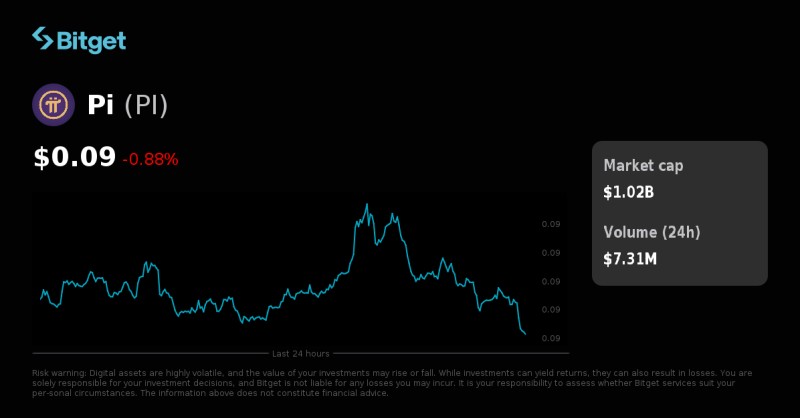
Some folks wonder if Pi crypto is worth anything from early phone mining. The source doesn't list Pi, but the same rules apply: check if it trades, who holds it, and what it does. A coin with no listing and no use is a maybe at best. Don't bet rent on a maybe.
Launchpads and DEX Access
Launchpads like CoinList and Binance Launchpad vet projects and require KYC. DAO Maker screens and curates with community focus. Bybit Launchpad is exchange-native with event windows. The source notes custody risk on centralized routes, so use 2FA and don't leave coins there long. Uniswap and PancakeSwap let you trade the moment liquidity drops.
If you prefer a Tokocrypto exchange or similar regional venue, read the vesting terms close. The source says some launchpads lock tokens until listing while DEX routes let you custody right away. Execution complexity varies: direct calls need MetaMask and gas, exchange routes just need your balance. Pick what you can actually handle.
Launch paths in the source
- CoinList for compliance and queue buys
- Binance Launchpad stake to earn model
- Bybit Launchpad with KYC and windows
- DAO Maker with screened community sales
- Uniswap and PancakeSwap for instant DEX
Common Scams to Dodge
The source lists rug pulls, fake presales, address poisoning, social engineering, airdrop dusting, and pump-dump groups. A rug pull is when liquidity vanishes after you buy. Address poisoning sends a fake transfer from a look-alike wallet to confuse you. Airdrop dusting drops tiny tokens to track you, and if a free drop asks for payment, it's hostile.
Use official links and verify the contract on the explorer every time. Check liquidity locks before you swap. The source says smart contract risk includes upgradeable patterns and privileged roles, so read the audit scope. A small test buy and sell proves the token isn't a honeypot. If it won't let you sell, walk away.
If a token is priced at $0.50 during a private sale and later trades at $1.20 after listing, early buyers are already sitting on gains.
Layer 2 and Gas for Cheap Trades
Layer 2 networks fix the slow base chains. The source says Bitcoin and Ethereum are orders slower than Visa, while Solana is faster. Arbitrum as an L2 cut a swap from high Ethereum gas to about four dollars. Routing through other tokens and providing liquidity on Uniswap pairs gives fee tiers from five hundredths to one percent.
Chainlink oracles feed real-world data to smart contracts so options and insurance can work on chain. The source walks through Uniswap pools where the ratio stays constant and providers earn fees. For cheap crypto moves, an L2 plus a DEX is usually the lean path. Just watch bridge times, some take up to a week back to L1.
My Simple Take on Cheap Crypto
I like cheap crypto for the low entry, but I hate the noise around it. The source is clear that price alone misleads and market cap is the real measure. I'd rather own a bit of GRT or HBAR with a use case than a mystery token at a tenth of a cent. The new world rewards the prepared, not the rushed, and a calm plan beats a frantic buy.
When you figure out how to buy crypto the calm way, start small and use a non-custodial swap. Learn the wallet, check the contract, and size the bet so a zero doesn't hurt. The source says beginners can start with fifty to two hundred dollars. That's enough to learn without a nightmare.
My bare rules from the notes
- Check market cap not just price
- Use self-custody and verify addresses
- Start with real-use coins like XRP or GRT
- Cap risky pre-listing bets small
- Learn before you leap, every time
The best cheap cryptos attract investors because they lower entry barrier and offer asymmetric upside.

Comments on “How to Buy Cheap Crypto and Keep It Secure From Day One”
No comments yet. Be the first to share your thoughts.