
What Is the Safest Digital Wallet for Cryptocurrency? Finding It Without the Hype
What Is the Safest Digital Wallet for Cryptocurrency?
I keep seeing the same question from folks new to crypto: what is the safest digital wallet for cryptocurrency? The short answer bugs a lot of people because it ain't sexy. You want safety, you keep your coins off the internet. The problem is most wallets get hacked because they sit online where thieves can reach them.
Exchanges and hot wallets get hit all the time. A flaw in the Poly Network protocol let hackers take more than $600 million in 2021. Electrum users lost over $22 million to a fake update pop-up. Bybit multisig holders lost $1.46 billion in Ethereum to blind signing. And phishing cost 300,000 people about $52 million in one year. That's why the safe path starts with cold storage and an offline seed phrase.
When you ask what is the safest digital wallet for cryptocurrency, the first thing to get straight is what a wallet even does. It does not hold your coins. The coins live on the blockchain, a public ledger. Your wallet holds the private keys that prove the coins are yours and let you send them.
A wallet does not store your coins. It stores private keys, which are essential for proving ownership on a blockchain network.
How Crypto Wallets Actually Work
A crypto wallet is a tool that stores your public and private keys. The public key is like a bank account number. Anyone can send to it. The private key is the only thing that lets you move the funds, and whoever holds it owns the coins. Lose it or leak it, and you're done.
The blockchain keeps the record of every transaction. Your wallet just talks to that ledger. Some wallets also let you swap tokens, stake, or use decentralized apps. But the core job is always the same: keep the private key safe and sign your sends.

People get confused because a wallet looks like a place where money sits. It isn't. Think of it as a key ring with a window to the blockchain. You don't store photo files in the app that views them, and you don't store coins in the wallet that views the chain.
Hot Wallets versus Cold Wallets
Wallets come in two broad types. Hot wallets are connected to the internet. That means web, mobile, and desktop apps. They're handy for small daily spends, but they're open to malware, phishing, and weak passwords. Hot wallets get hacked more than cold ones, plain and simple.
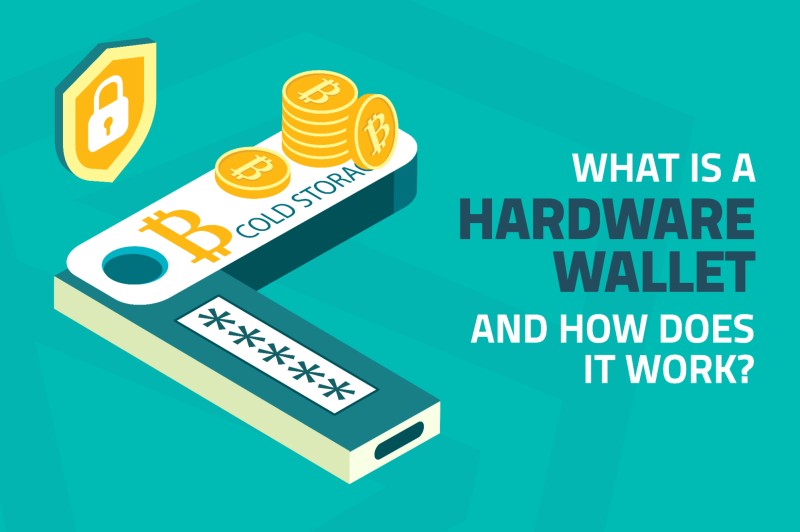
Cold wallets are not connected to the internet. They keep your keys offline so hackers can't reach them. Many traders call physical devices the most secure way to store crypto. You plug them in only when you need to sign a transaction, then unplug. For bulk holdings, cold beats hot every time.
Common wallet types
- Web wallets: run in browser, keys on server, easy but risky
- Mobile wallets: phone apps, convenient, can be lost or infected
- Desktop wallets: installed on laptop, safer if offline, still malware risk
- Paper wallets: keys on paper, offline, but can burn or get wet
- Hardware wallets: small device, keys offline, top pick for safety
A lot of people use both. They keep a little in a hot wallet for coffee or trades, and the rest in cold storage. That mix gives you speed without betting the farm on a connected device.
Why Cold Storage Wins on Safety
Cold wallets are also called hardware wallets. They store private keys on a device that stays offline. No internet means no remote hack. Most add a PIN or even biometric check. If you don't trade often, an offline cold wallet is the safest alternative by a mile.
Hardware wallets act as your key manager. They make and store the private key offline, sign transactions when plugged in, and show you the details on a built-in screen. That screen matters because malware on your computer can't quietly swap the send address.
Without an internet connection, hackers have limited access to the user's private keys.
When folk ask who has the best crypto wallet for long-term hold, the honest reply is the one that stays offline and puts you in control. A ledger hardware wallet or a Trezor are the names that come up most. They're not magic, but they remove the biggest risk: being online.
Hardware Wallets and the Safest Options
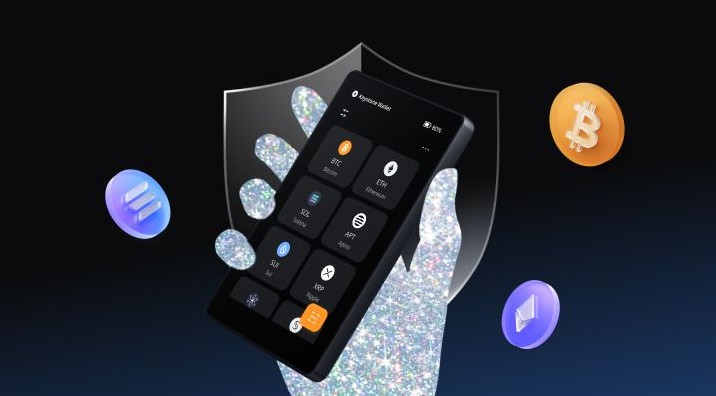
The best crypto hard wallets share a few traits. They keep the key offline. They let you confirm on the device. They give you a seed phrase to recover if the device breaks. And they don't trust some third party with your coins.
The ledger nano x crypto hardware wallet is one example people cite a lot. A crypto wallet ledger setup is just a hardware device plus your own backup words. Some folks want the easiest cold wallet to use and that often means a device with a clear screen and simple buttons.
Key advantages of hardware wallets
- High security: key stays offline, no online hacks
- Complete control: you own the keys, you own the funds
- Recovery: seed phrase restores coins on a new device
- Tamper proof: PIN, encryption, screen block unauthorized use
- Privacy: offline use keeps your data off company servers
Keystone 3 Pro is another device in this space. It uses airgap, open-source code, and three secure chips. It supports multiple recovery phrases and SLIP-39 splitting. If someone tampers with the device, the data wipes. That's the kind of best crypto physical wallet feature that matters if you hold a lot.
For best cold storage for cryptocurrency , the goal is simple: keep keys off networks and keep backup words off screens. Hardware does the first. Your paper or metal copy does the second.
Using a cold wallet is a recommended practice for individuals and businesses alike, especially those who hold substantial amounts of cryptocurrency and prioritize security.
What Is Crypto Ledger Anyway
Some new users hear "ledger" and think it's a company coin. It isn't. When people ask what is crypto ledger , they usually mean the brand Ledger, or they mean the blockchain ledger. The blockchain ledger is the public record of all transactions. The Ledger brand makes hardware wallets.
A crypto wallet ledger from the company is a small device that holds keys offline. It is not the same as the blockchain ledger. But the names bump into each other, so don't feel dumb if it confused you. I had to read it twice the first time.
How to Get a Hardware Wallet
If you're ready, the question becomes how to get a hardware wallet . Buy from the official maker or a verified reseller. Bookmark the real site. Scam shops mail tampered devices or clone the domain with one letter off.
Once it arrives, set it up yourself. Generate the seed on the device. Write the words on paper or stamp them in metal. Never type them into a phone or computer. That step is where a lot of folks mess up and lose everything.
Specific Wallet Providers and Features
Beyond the generic types, a few named wallets show up in talks about what is the safest digital wallet for cryptocurrency. Cwallet pushes savings with encryption, multisig, and offline options. Binance offers 2FA, cold storage, and wide coin support. Trust Wallet uses end-to-end encryption and a DApp browser.
MEXC gives multi-layer encryption and 2FA. Keystone 3 Pro, as noted, is an airgap hardware wallet with secure chips. None of these replace the core rule: your keys, offline, with a safe seed backup. The brand is less important than the method.
Wallet providers mentioned in sources
- Cwallet: encryption, multisig, offline storage options
- Binance: 2FA, cold storage, staking and DeFi
- Trust Wallet: end-to-end encryption, DApp browser
- MEXC: multi-layer encryption, 2FA, integrated trade
- Keystone 3 Pro: airgap hardware, secure chips, SLIP-39
Your Seed Phrase Is the Master Key
The seed phrase is a list of 12 to 24 words. It backs up your private keys. Whoever reads it owns your coins. Losing it can mean no recovery ever. That's why the sources scream about keeping it offline.
Write it on paper or engrave on metal. Store in a safe or deposit box. Never take a photo. Never type it into a connected device. If a hacker gets into your files, they can spot the BIP39 pattern and drain you.
Keep your seed phrase offline: Never input in computer or phone, whether typing or taking picture.
Some users split the seed with Shamir's Secret Sharing and store parts in different places. Others add a 13th or 25th word as a second factor. That helps if one copy is found. But the base rule stands: paper or metal, offline, hidden.
Custodial versus Non-Custodial
A non-custodial wallet means you hold the keys. You prove ownership. A custodial wallet means a third party holds them. You trust them not to lose or freeze your funds. For safety, self-custody with a hardware device is the stronger pick.
But self-custody means the burden is on you. No support line resets your seed. If you screw up, the coins are gone. That trade is why some keep a little on an exchange for convenience and the bulk in cold storage.
Threats and Scams to Know
Hackers go after exchanges and wallets with real skill. Dusting attacks send tiny coins with a link to de-anonymize you. Typosquatting clones sites with one letter changed. Rug pulls abandon a project after taking money. Scammers pose as advisors or romancers.
Phishing is the big one. Fake updates, like the Electrum pop-up, stole millions. Always check the URL. Bookmark the real site. Don't click links in odd messages. And don't sign a transaction you don't understand, like the Bybit blind approval that cost $1.46 billion.
Common crypto threats
- Phishing: fake sites and update prompts steal keys
- Dusting: tiny sends with links to track your wallet
- Typosquatting: look-alike domains of real wallets
- Rug pulls: devs vanish with investor funds
- Blind signing: approve a tx without seeing what it does
Best Practices to Secure Your Crypto
Back up your wallet to external drives in different places. Encrypt the backup with a strong password. Update software from the real source only. Old versions got exploited in the Electrum case, so don't skip patches.
Use a multisig wallet for shared funds. Turn on 2FA with an app, not SMS, because SIM swaps are a thing. Use a hardware wallet for large holdings. Avoid public wifi for wallet access; use a secure line or VPN.
Top security steps
- Use a cold wallet first for most holdings
- Enable 2FA on wallet and exchange
- Store seed phrase offline in safe spot
- Change strong passwords on a regular basis
- Keep several wallets if holdings are large
- Verify recipient address twice before send
- Use updated antivirus on any device used
- Watch for phishing and social media scams
Be wary of cryptocurrency fraud through social media sites, instead of being driven by FOMO, examine a project by yourself.
How to Choose the Right Wallet
When you pick, look at security features first: 2FA, biometrics, encryption, multisig, HD addresses. Then check ease of use, coin support, and device compatibility. Read reviews and third-party audits. Make sure recovery uses a seed phrase.
If you only hold a small amount or trade often, a hot wallet is fine for that slice. If you don't swap much, a hardware offline cold wallet is the safest. The FAQ from sources says flat out: keep them in a hardware wallet offline if you don't frequently exchange.
And when people ask who has the best crypto wallet for a beginner with real safety needs, I point to a ledger hardware wallet or Trezor and a written seed. The best crypto hard wallets are the ones you actually use right.
Keeping Your Seed Phrase Offline
Your seed phrase acts as the master key. It can restore your wallet if access breaks. But anyone with it controls the assets. Losing it can make recovery impossible. So the rule is hard: never input it in a connected device.
Make multiple copies in different safes if you can. Hide them well. What matters most is that it's safe yet reachable if needed. A crypto wallet ledger device will ask for the seed only during recovery, and that's the only time it should touch those words.
Your seed phrase should never be inputted anywhere that is connected to the Internet because it exposes it to potential online threats, including hacks or malware.
FAQ on Safe Crypto Storage
Readers ask which wallet has lowest fees. Coinbase Wallet is named in sources as low fee and easy for beginners. But low fee don't equal safe. Keep fee talks separate from storage safety in your head.
Another common ask: what is the safest crypto wallet? The source answer is clear. If you don't trade often, keep coins in a hardware wallet offline, a cold wallet. That's the safest alternative because malware and hackers can't reach it while it's unplugged.
Quick answers from sources
- Best wallet: supports many coins, simple, 2FA or multisig
- Lowest fees: Coinbase Wallet noted for low cost
- Safest type: hardware offline cold wallet for rare traders
- Best type overall: cold safe, hot convenient, self-custody autonomy
- Dusting attack: ignore unsolicited tx, don't click links
For the easiest cold wallet to use , look for clear screens and good docs. The ledger nano x crypto hardware wallet fits that for many. And the best crypto physical wallet is the one you guard as well as the device.
Combining Wallet Types for Real Life
Most sane setups use more than one wallet. Hot for daily, cold for savings. Self-custody for autonomy, with a small custodial slice if you must. The mix balances convenience and safety without putting all eggs in one hackable basket.
The best cold storage for cryptocurrency is not a single product. It's a habit: keys offline, seed on paper or metal, device confirmed. A crypto wallet ledger or Trezor does the offline part if you do the backup part.
Cold wallets generally more safe while hot wallets and custodial are more convenient; self-custodial guarantees autonomy.
If you're still wondering what is the safest digital wallet for cryptocurrency, the path is boring and works. Buy a real hardware device from the maker, write the seed offline, keep most coins there, and stay paranoid about links. That's the whole secret.


Comments on “What Is the Safest Digital Wallet for Cryptocurrency? Finding It Without the Hype”
No comments yet. Be the first to share your thoughts.