
Understanding What a Smart Contract in Crypto Is and How It Works

What a Smart Contract in Crypto Is
I kept seeing the term thrown around and finally sat down to figure out what is smart contract in crypto. At its core, it is just a computer program that runs on a blockchain and does what it was coded to do. No person needs to step in once it is live. You put in a condition, the code checks it, and the action happens on its own.
The short version: a smart contract is self-executing code on a blockchain that automates agreements for you. That is the plain idea behind the whole thing. It is not a paper contract with a lawyer's signature. It is lines of code that live on a public ledger.
How I Think About the Basic Concept
The source I read used a vending machine as the example and it stuck with me. You put in a coin, pick a drink, and the machine gives it to you. No clerk, no delay. A smart contract works the same way. Once it is on the chain, it waits for the right input, then runs the action it was built for.
In the Ethereum world, a smart contract is a chunk of code with its own address. It can take in transactions and do stuff with them. No human has to click a button. The code just runs when the rules say so.
And here is a part that matters: after a smart contract is deployed, you can't change it. That makes it tamper-proof in a good way, but also a bit scary if the code has a bug. The code is public though, so anyone can read it and spot problems. Some folks in the community do exactly that.
The Name Bugs Some People
The term "smart contract" is a bit misleading, if you ask me. Vitalik Buterin, the person who made Ethereum, even said the name is catchy but something like "persistent scripts" fits better. Most of these things are not contracts in the legal sense. They are just programs on a chain.
Vitalik Buterin has tweeted that the name is catchy but "persistent scripts" or other names such as "chain code" or "blockchain program" are better suited because most applications represent no contracts.
Nick Szabo, a computer scientist, first pitched the idea back in 1994. Blockchain itself showed up 14 years later. So the original thought was about legal deals, but what we got is mostly code that moves tokens and runs apps.
How Smart Contracts Work
Smart contracts run on "if, then" logic. If a condition is met, then the contract does the thing. The logic is written in code and stored on a blockchain. When someone sends a transaction, the network checks it and adds it to a block.
Here is a real example from the source: say you want to sell your fund shares. The smart contract can take the buyer's payment and send the shares to them, all at once, no middle step. That is the kind of thing these contracts are good at.
They record every move on a shared database anyone can look at. That透明 (transparency) is a big part of why people trust the code more than a company. You don't have to take anyone's word for it.
Benefits of Smart Contracts
The source lists a few clear wins. Automation is the big one. Once triggered, the contract acts without a person. That cuts down on slow manual work and human slip-ups.
Accuracy is another. The logic is in code, so the result is the same every time the conditions match. Lower cost comes from dropping the middlemen. No bank, no broker, no lawyer needed to sit between two people.
Main benefits at a glance
- Automation: runs on its own after trigger
- Accuracy: code does the same thing each time
- Lower costs: no intermediaries taking a cut
- Transparency: all actions on a public ledger
- Trust minimisation: no need to trust a third party
Beyond those, they can hold funds in escrow, swap one token for another, or handle lending. They remove the need for a middleman and can just run by themselves. That is a big shift from how normal finance works.
Smart Contracts vs Traditional Contracts
A normal contract is enforced by people. Lawyers, banks, courts. That adds cost and opens the door to mistakes. A smart contract just runs the code when the terms are met.
The code does not argue or misread a clause. It does what it was told. That cuts down on fights about what the deal meant. It is not always perfect, but the rules are clear from the start.
Smart Contract Languages and Programming
Different blockchains use different coding languages. Solidity is the most common one. It powers Ethereum and BNB Smart Chain apps. It looks a bit like JavaScript and C++.
Scilla is used on Zilliqa and is built with safety in mind. Cardano has its own languages that differ from Solidity. Solana uses general-purpose ones like Rust or C++. Avalanche works with Ethereum tools, so devs can port apps over with little new code.
Languages by chain
- Solidity: Ethereum, BNB Smart Chain
- Scilla: Zilliqa, focus on safety
- Cardano proprietary languages
- Rust or C++: Solana programs
- EVM compatible: Avalanche
Major Smart Contract Blockchains
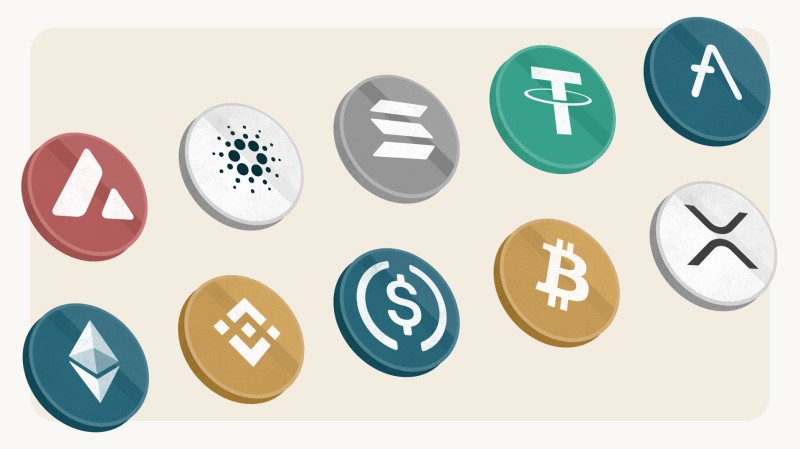
These contracts live on what people call layer 1 blockchains. Ethereum is the big one. It launched July 30, 2015 and brought smart contract programmability to the world. It still hosts most active apps.
BNB Chain came later, April 18, 2019, and is EVM-compatible with more speed but less decentralization. Cardano started September 29, 2017 and aims for sustainability. Solana launched March 15, 2020 and pushes high throughput. Avalanche went live September 20, 2020 with subnets for scaling.
Leading platforms by native asset
- Ethereum: ETH, genesis July 30, 2015
- BNB Chain: BNB, genesis April 18, 2019
- Cardano: ADA, genesis September 29, 2017
- Solana: SOL, genesis March 15, 2020
- Avalanche: AVAX, genesis September 20, 2020

The native assets pay for block space and act as the medium of exchange inside each network. Some can become deflationary through burning. Staking gives yields to those who help secure the chain.
Real-World Use Cases of Smart Contracts
Decentralised apps, or dApps, are built on these contracts. They handle user actions in DeFi, NFT markets, and blockchain games. Supply chains use them to issue orders and track deliveries without manual checks.
Healthcare can use them for private patient records that still allow audit. In finance, insurance claims can be assessed and paid by code. Stablecoins like XUSD, XSGD, and XIDR rely on smart contracts to mint and burn tokens in a verifiable way.
For folks learning what crypto defi means , this is the engine room. DeFi uses smart contracts to give bank-like services with no bank. A decentralized exchange platform runs on contracts so people swap tokens peer to peer with no central desk.
Smart Contracts and DeFi Wallets
If you want to touch this tech, a defi wallet crypto is where you start. It holds your keys and talks to contracts on your behalf. Some wallets are just code on the chain too, called smart contract wallets.
These can do multi-signature, social recovery, and spending limits. They are a step up from a basic wallet that loses funds if one key leaks. The contract enforces the rules you set.
Smart Contract Wallets and Security
Smart wallets use contract code to add safety. Multi-signature means an outgoing transaction needs more than one sign-off. It is like multi-factor auth for your coins.
Passkeys use biometrics or device crypto so the private key never leaves your phone. Social recovery lets trusted addresses help you regain access if you lose your key. Some wallets even cap daily withdrawals or whitelist addresses.
Vitalik Buterin has praised social recovery for making self-custody safer. It is a real improvement over writing a seed phrase on paper and hoping no one finds it.
Making Money With Smart Contracts
People ask about making money with smart contracts and the source gives real paths. You can lend tokens through a contract and earn interest. You can provide liquidity to a pool and get a share of fees. You can stake the native asset of a chain.
None of this is a sure thing. The code can have bugs and markets move fast. But the tools are open for anyone to use. That is different from old finance where the door was locked for most.
Creating Your Own Crypto and Contracts
If you ever wonder how you can create a cryptocurrency , smart contracts are the usual path. On Ethereum you deploy a token contract using a standard like ERC-20. That contract mints and tracks the token.
The same idea covers how you can make cryptocurrency for a specific use, or making your own crypto currency with a small dev team. You write the contract, test it, and put it on the chain. StraitsX did this with XUSD and others in Solidity and Scilla.
What Is Web3 in Crypto
You will hear the term a lot, so what web3 in crypto is ties right back to smart contracts. Web3 is the idea of apps that run on decentralized networks instead of company servers. The contracts are the backend.
It is not magic. It is just code on a chain that users interact with directly. Whether it lives up to the hype is another talk, but the building blocks are these contracts.
Legal and Regulatory Considerations
The law is still catching up. Dr. Robert Walters points out that for a cross-border contract, you need to say where the code sits and which law applies. If the code is in one country but the deal is in another, things get messy.
Quantum computing is a future threat to the crypto base under these contracts. Some places like the EU have a definition in their data law. Most of the world has no joined-up approach yet. Stablecoins add more questions about tracing and reporting.
Best practice: contract should specify clearly where code installed and relevant governing law.
Specific Implementations and Examples
StraitsX stablecoins use Solidity on Ethereum and BNB, plus Scilla on Zilliqa. Transactions on Zilliqa take about 40 seconds. Users can move them into DeFi apps like Uniswap or Zilswap.
Casa uses an existing battle-tested contract for ETH multisig since Ethereum lacks native multisig. WisdomTree ran a test on Avalanche with Citi and others to show tokenized funds and automated lending. EZO Swap uses contract code for crypto to fiat swaps.

These are not just ideas. Real firms are using the tech to cut steps and errors. The code does the work that a back office used to do.
Reading the Investment Side
The source gave market cap numbers from a past snapshot, but the timeless point is that native assets of these chains pay for use and can store value. Staking yields vary. Drawdowns have been steep in crypto history, so caution is fair.
Total Value Locked, or TVL, shows how much is parked in these apps. It is one gauge of user trust. Transaction count and active wallets fill in the rest. No single number tells the whole story.
Challenges and Limits
Smart contracts are only as good as the code. A bug can drain funds. The source notes they are prone to breaches if not coded right. Legal standards and identity checks are still rough.
Operational cost and privacy are open problems. And since the code can't be changed after deploy, fixing a flaw means workarounds like proxy upgrades. That is better than nothing, but not clean.
Smart contracts only as efficient as code written; prone to security breaches if not coded correctly.
Broader Context and Evolution
The tech is young but already a base layer for blockchain apps. Ethereum opened the door and others followed. Developer talent is the real asset here, and upgrades are planned across all major chains.
Despite the name debate, the working definition stays: self-executing code on a blockchain that automates agreements. It is used in crypto and outside it, from games to supply tracks. The adoption keeps creeping up.
If you want a crypto investing course or keep asking whats a good crypto to invest in , understand this part first. The contracts are the rails. Pick your stop after you see the track.


Comments on “Understanding What a Smart Contract in Crypto Is and How It Works”
No comments yet. Be the first to share your thoughts.