Your Simple Guide to the Best Apps for Cryptocurrency Trading Overall
Apps for Cryptocurrency Trading: What I Look at Before I Even Install One
I've spent a lot of time staring at crypto trading apps, and here's what strikes me: nobody tells you upfront what you're really signing up for. Fees hide in spreads. Security sounds great until you read the fine print. And that sleek interface? It might smooth things over for beginners while quietly nudging you toward riskier moves.
When I'm evaluating a solid crypto app , I look at three things first. Fees need to be transparent, not buried in fine print. Security has to be real, not just marketing copy. And the app has to match what I actually want to do, not what feels flashy.
Fees, Security, and How Easy They Are to Use
The most useful comparison points are pretty straightforward. Trading fees and spreads matter because they eat into every trade. Security features like two-factor authentication and cold storage protect your actual money. And ease of use determines whether you're going to understand what you're doing or just flail around hoping for the best.
Here's the thing about fees: a "zero commission" tagline doesn't mean you're not paying. Spread-based fees can be sneaky. An app might advertise no trading fees but widen the gap between buy and sell prices. Withdrawal fees, deposit fees, and even payment-processing charges can all add up. I've learned to look at the full cost picture, not just the headline number.
What I check before picking a trading app
- Trading fees and spread sizes
- Withdrawal and deposit costs
- Two-factor authentication availability
- Cold storage of user funds
- User interface clarity
- Available educational materials
- Customer support options
- Geographic availability
The right platform depends on whether the user is a beginner, an experienced spot trader, an active derivatives trader, an investor interested in staking or lending, or a developer building a trading application.
Beginner-Friendly vs Advanced Platforms
This is where a lot of apps fall apart. They try to be everything to everyone, and end up being confusing for both groups. A beginner-friendly platform should have an intuitive interface, a simple setup process, and educational materials that actually help you learn. Charts, order types, and trading settings shouldn't feel intimidating just because you've never seen them before.
Advanced platforms are a different beast entirely. They offer margin and futures trading, advanced order types, detailed charts, customizable layouts, and APIs for automation. These tools are powerful, but they assume you know what you're doing. I've watched beginners get overwhelmed by advanced features they didn't ask for, and that's a recipe for costly mistakes.
Mobile Apps: Convenient But Limited
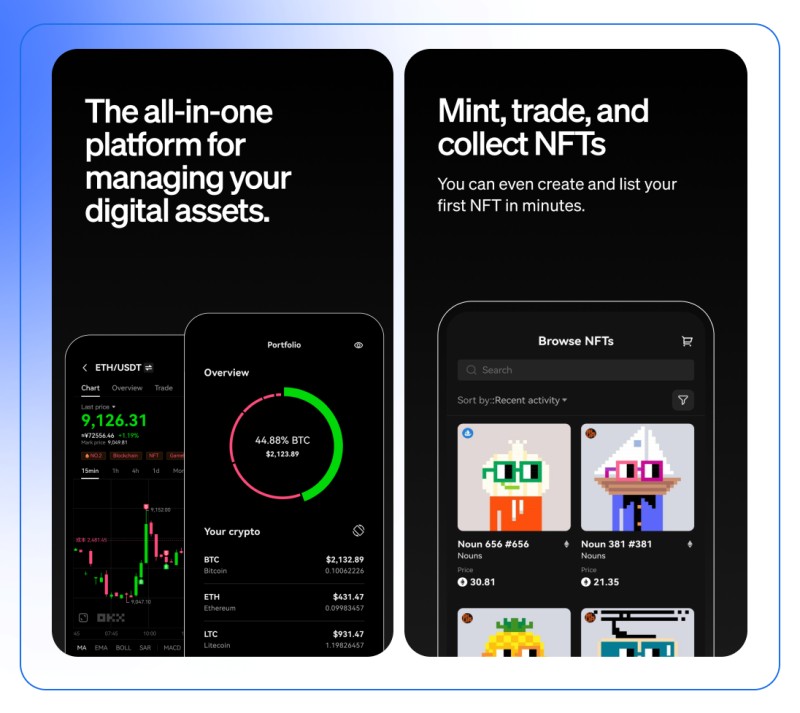
A smartphone can support the entire trading process. You can deposit, withdraw, place orders, manage your account, and even get customer support from your pocket. But let me be honest: mobile apps are great for monitoring markets and executing quick trades. They're terrible for deep research.
Small screens make it hard to inspect complex charts, order books, and settings. And mobile interfaces can lead to unintentional selections or impulsive decisions. I've seen people accidentally tap a button and open a leveraged position they didn't mean to. Push notifications and biometric 2FA are nice, but I never make my phone my sole research tool.
Security Practices That Actually Matter
Safety of funds has to be the primary consideration, and most apps get this wrong by treating it as a checkbox. Two-factor authentication is the bare minimum. A randomly generated code from an authenticator app or biometrics like a fingerprint scan adds a real layer of protection against account impersonation.
Cold storage keeps cryptocurrency offline. If the storage isn't connected directly to an internet-connected exchange, attackers who gain access to the platform may not be able to reach your offline assets. But here's what most apps don't tell you: cold storage doesn't eliminate market risk, and 2FA doesn't protect you from making bad trades.
Security measures I look for in trading apps
- Two-factor authentication (2FA) requirement
- Cold storage of user funds
- Strong, unique password policies
- Encryption of user data and traffic
- Protection of private keys and recovery phrases
- Regular security audits
- Remote revocation of account access
- Device malware protection
Cold storage keeps cryptocurrency offline. If the storage is not connected directly to an internet-connected exchange, attackers who gain access to the platform may not be able to reach the offline assets.
Risk and Regulatory Considerations
Cryptocurrency is wildly volatile, and high-leverage trading can result in losses greater than the amount you deposited. I'm not saying this to scare you, but because it's the reality. Sudden price swings, market manipulation, flash crashes, cyberattacks, and technology outages are all part of the game.
Derivatives, futures, and leveraged positions add even more layers of risk. Decentralized exchanges remove some centralized intermediaries but can introduce smart-contract, network, governance, liquidity, and regulatory risks. I always tell people: diversification spreads risk, but it doesn't guarantee a profit or prevent a loss.
Understanding Fee Structures
A platform's fee system can include trading fees, bid-ask spreads, deposit fees, withdrawal fees, flat transaction fees, variable percentage fees, and fees that vary by region, product, payment method, or trading volume. The key is that fee comparisons shouldn't rely only on the headline commission.
A zero-commission product may still charge a spread, withdrawal fee, or payment-processing fee. Conversely, an exchange with a listed trading fee may offer lower overall costs for some order types or high-volume activity. Read the full fee schedule before you start trading. I know it's boring, but it's your money.
Coinbase: The Beginner Giant
Coinbase is what most people think of when they hear about crypto trading apps. It's beginner-oriented with a simple interface, educational resources, and strong security. The company was founded in 2012 and went public in April 2021. They market themselves as "the easiest place to buy and sell cryptocurrency," and for beginners, that's largely true.
Features include a user-friendly buying and selling interface, a wallet service, support for Bitcoin, Ethereum, Litecoin, and other assets, educational material through Coinbase Learn, digital-assets insurance, and a separate Coinbase Wallet application. There's also a reduced-fee Advanced Trading dashboard for users who want more tools.
But here's what bugs me: the 2021 fee explanation stated that Coinbase could apply both spread or margin fees and a separate Coinbase transaction fee. The cited spread was approximately 0.50% for cryptocurrency purchases and sales. That's steep compared to what you'd pay elsewhere, and fee schedules may have changed since then.
Coinbase features and limitations
- User-friendly buying and selling interface
- Coinbase Learn educational materials
- Digital-assets insurance
- Advanced Trading dashboard for experienced users
- Higher fees compared to many competitors
- Limited advanced trading tools on the basic platform
- Staking yields up to 10% APY on eligible coins
We understand that some people lack the time or experience to use traditional methods of online investing or trading. Copy is the system which allows a user to copy trades executed by another eToro user.
Kraken: Split Personalities
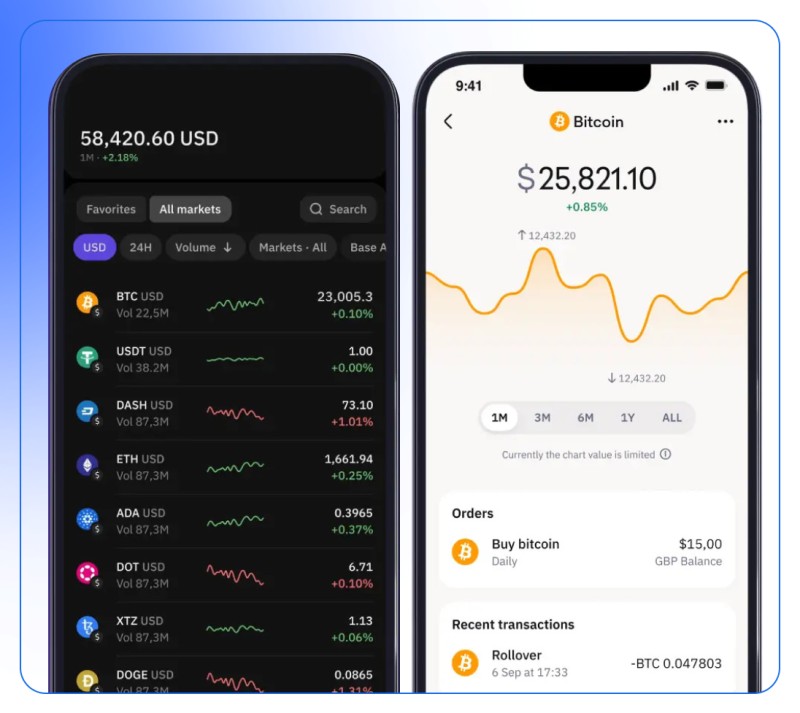
Kraken positions itself as one of the largest cryptocurrency trading platforms worldwide. Its basic platform tries to remain usable for beginners, while Kraken Pro provides tools for experienced and professional traders. This two-tier approach is actually pretty smart.
The basic Kraken platform offers buying, selling, converting, and holding, portfolio management, real-time pricing, detailed asset pages with charts and project summaries, low fees, and support for more than 120 assets in one dated description. Kraken Pro brings lower trading fees, margin trading up to 5x leverage, more than 400 markets, advanced trading tools, customizable charts, and conditional orders.
Binance: Features vs Simplicity
Binance is described as one of the largest cryptocurrency exchanges globally, particularly associated with high liquidity and a large selection of digital assets. The platform offers a broad cryptocurrency selection, limit orders, stop-loss orders, margin trading, spot and derivatives trading, staking, and iOS and Android apps.
But make no mistake: the mobile assessment states that the app contains many features and may feel overwhelming to a beginner. Kraken and SwissBorg are identified as comparatively easy starting points. For users who understand the interface, the feature set is positioned as suitable for more active and experienced trading. I'd say that's putting it mildly - Binance is powerful, but it's easy to get lost in there.
eToro: Social Trading
eToro combines cryptocurrency trading with social and copy-trading features. Users can follow experienced traders, review their public profiles, and copy their positions. It offers a user-friendly interface, a demo account for practice, social and copy trading, a newsfeed and community, real-time cryptocurrency watchlists, customized price alerts, and configurable chart features.
The copy-trading system allows users to copy trades executed by another eToro user. But the stated disadvantages are flat withdrawal fees, slower returns attributed to spread-based fees, and the risk that excessive reliance on copy trading may limit a user's own development as a trader. I've seen people copy traders who looked great on paper but had terrible timing in real markets.
The 2021 overview describes eToro as zero commission but clarifies that it charges a spread based on the difference between the bid and offer price. The spread can fluctuate with market conditions. The mobile material describes eToro as more expensive than some alternatives, and withdrawal delays can occur when identity or account verification is incomplete.
Robinhood: The Gateway Drug
Robinhood is included in the beginner-app material as a general investing app that also offers commission-free cryptocurrency trading. It aims to "democratize finance for all" and offers commission-free stock, ETF, and cryptocurrency trading through a user-friendly interface. It supports fractional share trading, which was unique among zero-commission apps at the time.
Robinhood is a multi-asset investing app rather than a cryptocurrency-only platform. This matters because if you're looking for deep crypto tools, you won't find them here. The app is fine for casual buying, but serious traders will quickly outgrow it. That's the honest truth.
Crypto.com: Mobile-First Ambitions
Crypto.com presents itself as a mobile-first exchange, wallet, payments, and cryptocurrency application. Features include buying, selling, and storing cryptocurrency, a wide coin selection, an NFT marketplace, DeFi Wallet integration, fiat loans secured by cryptocurrency, Crypto Pay for in-store purchases, trading rewards, and missions that reward users for completing tasks within the app.
The payments feature is described as difficult for a platform without a mobile app to support. Crypto.com Pay works in a similar manner to Apple Pay or Google Pay. The U.S. discussion identifies the mobile app as the primary Crypto.com option because the desktop version is not available in the United States. Chat-based support is described as potentially limited.
Advanced Trading Platforms
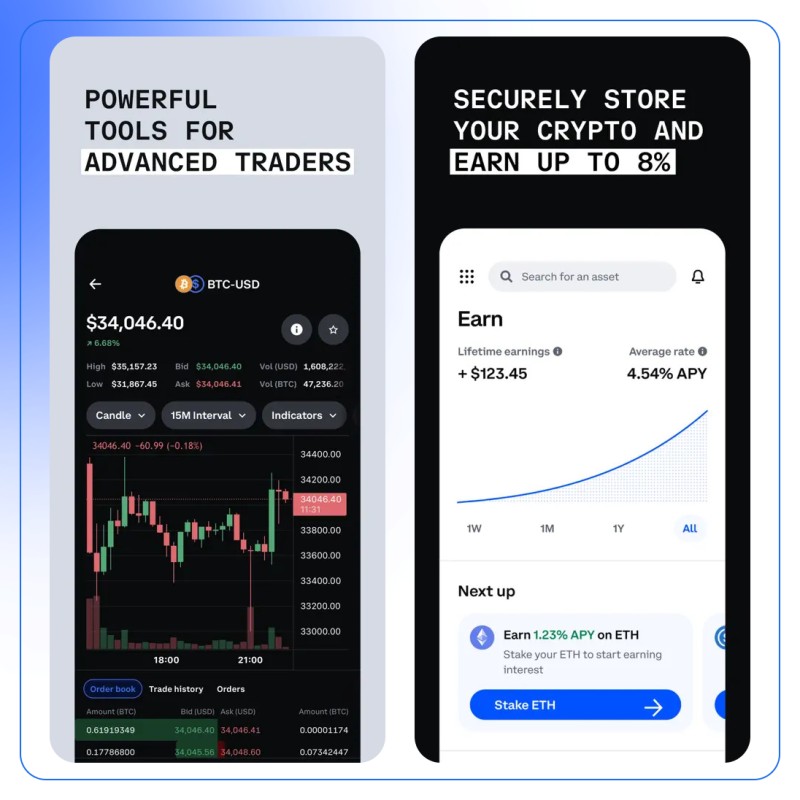
Not all trading apps are built for beginners. Bybit, OKX, KuCoin, and Bitfinex cater to more sophisticated traders who want margin trading, futures contracts, advanced order types, and detailed analytics. These platforms pack serious firepower, but they come with serious risks too.
Bybit is a centralized cryptocurrency exchange focused on derivatives, best known for perpetual-contract trading. Perpetual contracts function like futures but don't have a fixed expiration date. The platform is popular with experienced investors because of its leverage and competitive fees. But the stated disadvantages are changing legal treatment across countries and the high risk associated with leveraged cryptocurrency trading.
Advanced trading platforms compared
- Bybit: Perpetual contracts, high leverage, fast execution
- OKX: Broad asset selection, Web3 features, margin trading
- KuCoin: Spot and margin trading, earning products, trading bots
- Bitfinex: High liquidity, margin trading, long operating history
Price volatility can magnify losses. The combination of indefinite duration, high leverage, and no underlying asset is largely why US regulators deemed the instruments too risky for retail traders.
OKX: A Review of the Global Exchange
OKX is described as a global, high-liquidity exchange with advanced trading tools, a broad asset selection, low fees, and Web3 features. The platform includes a broad cryptocurrency selection, stop-loss, limit, and take-profit orders, margin trading, analytics, minimal fees, a multi-chain Web3 wallet, yield farming, an NFT marketplace, and decentralized-application discovery.
The mobile assessment that became an okx trading platform review describes OKX as having advanced features and a global presence but as potentially complex for beginners. The full feature set may feel daunting to a newcomer. The platform assessed lacked a direct fiat cash-out option and identifies Binance, Kraken, and Coinbase as alternatives for direct bank access. That's a notable limitation for U.S. users.
KuCoin: Everything and Then Some
KuCoin is presented as a high-volume mobile exchange offering spot and margin trading, low fees, earning products, and trading bots. The mobile application has millions of downloads across iOS and Android, convenient card purchases, low or minimal trading fees, portfolio monitoring, quick-trade functions, and round-the-clock customer support.
KuCoin Earn can let users lock tokens, stake toward ETH 2.0, participate in the Polkadot ecosystem, and receive special APYs on selected assets. One dated section lists APYs ranging from 0.4% to 101% across 60 assets, with many in the 20% to 60% range. Red flags everywhere, but the app is positioned as useful for mobile and earning features. Desktop setups may remain preferable for intensive trading.
Bitfinex: Old Guard, New Problems
Bitfinex is described as one of the oldest cryptocurrency exchanges and one of the most liquid. Its stated strengths include high liquidity, a large token variety, margin trading, a broad range of trading options, and a long operating history. But here's the catch: the platform was hacked in 2016, resulting in the theft of a significant amount of Bitcoin. The source states that Bitfinex subsequently strengthened its security protocols, but previous security breaches remain an ongoing consideration.
The platform is described as unavailable in the United States because of regulations. That 2016 hack is still cited as a major risk factor. History matters in crypto, and past security incidents don't just disappear because a company says they've "moved on."
[The platform's] subsequent strengthening of security protocols was a response to the 2016 hack that resulted in the theft of a significant amount of Bitcoin.
SynFutures: Derivatives on the Decentralized Side
SynFutures is described as a decentralized exchange specializing in derivatives. The source cites CoinMarketCap when calling it the largest DEX by derivatives trading volume at the time. It focuses on synthetic assets, which are financial instruments designed to mimic the prices and characteristics of other cryptocurrencies, stocks, or fiat currencies. A synthetic asset is not the same as owning the asset it tracks.
Stated risks include high financial risk associated with derivatives, regulatory ambiguity in jurisdictions without relevant legislation, smart-contract risk, reliance on the Ethereum network, and governance vulnerabilities. Decentralized doesn't automatically mean safer - it just moves the risk around.
Multi-Exchange and Utility Apps
Some apps don't tie you to a single exchange. Bitsgap is a multi-exchange interface and automated-trading platform rather than just a single cryptocurrency exchange. Users can connect exchange accounts and manage trades from a web interface on a smartphone. Automated products include spot and futures bots, grid, DCA, and other trading strategies.
The platform supports numerous centralized exchanges and a broad list of digital assets. The exchanges listed include Aster, Binance, Bitfinex, Bitget, Coinbase Advanced, Crypto.com, Gate.io, Gemini, HTX, Hyperliquid, Kraken, KuCoin, OKX, Poloniex, WhiteBIT, and BitMart. That's a lot of integration points, which means a lot of things that can go wrong.

Stablecoins and USDT Trading
Tether, commonly called USDT, is a stablecoin designed to maintain a value close to one U.S. dollar. Its purpose is to provide a crypto-based alternative to traditional fiat currency. Tether aims to back each token with an equivalent amount of U.S. dollars held in reserve and maintain a 1:1 peg.
USDT is less exposed to sudden price swings than many cryptocurrencies because it targets the value of one dollar. It's widely accepted across exchanges and readily convertible into other cryptocurrencies or fiat currencies. That liquidity can allow traders to enter or exit positions without waiting for a specific asset's price to return to a preferred level.
But the source also warns against allocating an excessive portion of a portfolio to USDT alone. Its stated stability is a design objective and trading characteristic, not a guarantee against losses or devaluation. I keep some USDT around for trading, but I never treat it as cash equivalent.
Things to check when choosing a USDT platform
- Security and two-factor authentication
- Trading, deposit, and withdrawal fees
- Interface simplicity and ease of use
- Asset and pair selection
- Liquidity for smooth trading
- Regional availability and regulatory status
USDT Platform Profiles
Different platforms excel at different things when it comes to USDT trading. CoinCola provides a user-friendly interface, OTC trading, low fees, spot and margin trading, peer-to-peer trading, gift-card trading, and a mobile application. Its limitation is a limited cryptocurrency variety, but it's usable by both beginners and experienced traders.
bitFlyer offers high liquidity, advanced trading tools, and strong security but has limited availability in some regions. Bithumb has a large user base and a variety of cryptocurrencies but limited international support. Upbit provides high liquidity and a wide range of trading pairs but is described as limited to Korean users. LBank offers a wide selection of cryptocurrencies and low trading fees but has no fiat support.
Its stability is a design objective and trading characteristic, not a guarantee against losses or devaluation.
Making Your First USDT Trade
The example process for making a first USDT trade goes like this: create an account, complete KYC verification, deposit USDT into the exchange wallet, select a trading pair like BTC/USDT or ETH/USDT, choose a market or limit order, and execute the trade.
A market order is intended to execute immediately at the current market price. A limit order allows the trader to set a specific execution price. The source also recommends diversification, position sizing, and never investing more than you can afford to lose. These aren't just disclaimers - they're practical survival advice in a market that can wipe you out fast.
Mobile App Beginner Fit
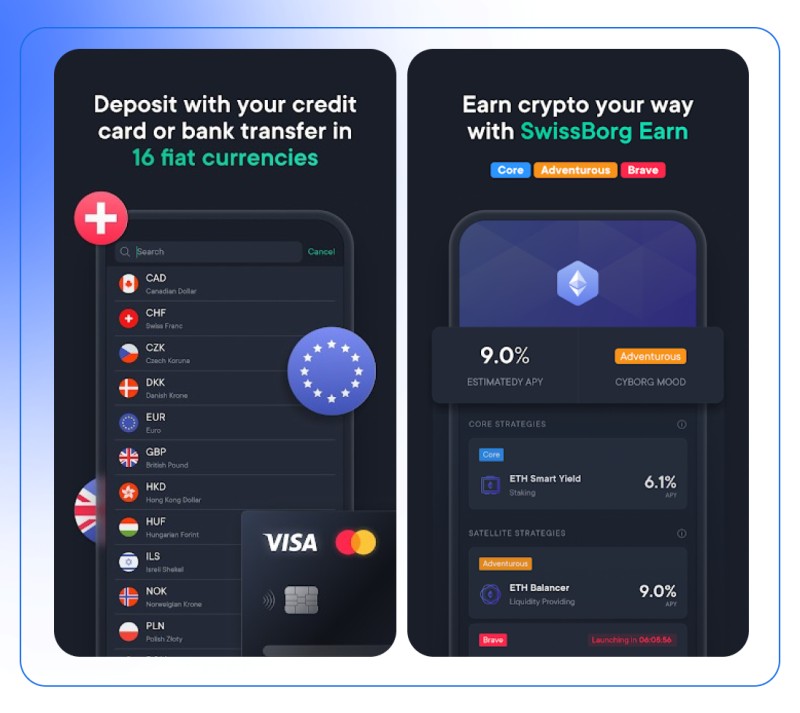
If you're new to all this, which app should you start with? The mobile guide identifies Kraken and SwissBorg as easy mobile options for beginners. Coinbase, KuCoin, and OKX are also described as usable by newcomers, although the feature sets of KuCoin and OKX may initially appear overwhelming. I'd lean toward Kraken or SwissBorg if simplicity is your top priority.
Finding a good trading app for cryptocurrency doesn't mean finding the fanciest one. It means finding the one that matches your current skill level and trading goals. Don't let slick marketing or flashy charts fool you into thinking you need more than you actually do.
Developer-Oriented Trading APIs
Not everyone wants to use a pre-built app. Some people want to build their own tools. Alpaca Crypto API is a developer-oriented option rather than a conventional consumer exchange interface. It's a developer-friendly API that allows direct cryptocurrency trading through an API, with real-time prices, order placement, and portfolio management.
Alpaca partnered with ErisX to provide cryptocurrency execution and custody infrastructure. The service offers fast execution, reliable technology, and digital-asset custody. SDKs are available for Python,.NET and C#, Go, and Node. Both paper trading and live trading can use real-time market data. Developers can test a strategy with paper trading before deploying it in a live account.
Alpaca Crypto API features for developers
- Easy-to-use, developer-friendly API
- Direct cryptocurrency trading through an API
- Real-time prices and fundamentals
- Order placement and portfolio management
- REST and streaming access
[Paper trading] does not use real money or permit real securities transactions. Using the Paper Trading API is not presented as an offer or recommendation to buy or sell securities, derivatives, futures, or cryptocurrencies.
Risks Every Trader Should Know
Let me cut through the noise: cryptocurrency is not a get-rich-quick scheme. It's highly volatile, and high-leverage trading can result in losses greater than the amount deposited. Sudden price swings, market manipulation, flash crashes, cyberattacks, insecure APIs, and smart-contract vulnerabilities are all real threats.
Derivatives, futures, perpetual contracts, and leveraged positions add layers of risk. Cold storage and 2FA don't eliminate market risk, and diversification doesn't guarantee a profit or prevent a loss. I always tell people to research the provider independently and understand the complete fee structure before they commit any serious money.
Finding the Best Exchange for Crypto in the USA
If you're in the United States, you'll need to pay attention to regulatory compliance. Before opening an account, verify that the platform complies with the regulations of your country. Research the provider independently, and understand the complete fee structure. What works in one country may be completely unavailable in another.
When I'm looking for an exchange crypto usa traders can actually use, I focus on platforms that have clear regulatory standing, transparent fees, and real security measures. best exchange for crypto in the U.S. also tends to be the one with the most straightforward banking integration.
One question I get a lot is where do you buy ripple . The answer depends on your location and the exchange's regulatory standing. Major U.S.-compliant exchanges list XRP, but the available trading pairs and regional restrictions vary widely. Always check whether a platform supports your specific needs before signing up.
Trading Platforms for Cryptocurrency: A Reality Check
The abundance of trading platforms for cryptocurrency makes platform selection difficult and requires research, comparison, and trial and error. What works for one person might be terrible for another. A beginner needs simplicity and education. An active trader needs speed and advanced tools. A developer needs API access and documentation.
I've tried dozens of these apps over the years, and here's what I've learned: there's no universal "best" platform. The right choice depends entirely on what you're trying to accomplish and how much risk you're willing to take. Take the time to research, start small, and don't chase features you don't need.
No single feature set identifies a universally suitable platform. Beginner apps generally emphasize simplicity, education, and support. Advanced apps emphasize order types, leverage, liquidity, analytical tools, low fees, and customization.
Due Diligence Checklist
Before you commit to any trading app, run through this checklist. It's saved me from some expensive mistakes, and I hope it does the same for you. Don't skip this part - your money depends on it.
Platform due diligence checklist
- Confirm that 2FA and encrypted sessions are available
- Verify how assets are held and whether they use custody
- Review the platform's history with breaches or outages
- Check if the app works in your country
- Compare standard and advanced fees
- Look for hidden spread or withdrawal charges
- Confirm required markets and trading pairs are supported
- Assess order book depth and available liquidity
- Review charting, alerts, and order types
- Determine if the app supports your devices
- Examine customer support access and quality
- Read risk disclosures carefully
I wish I could give you a single recommendation for the best app crypto trading beginners should start with, but that would be dishonest. What I can tell you is this: Coinbase and Kraken are solid starting points for most people. They're established, regulated (to varying degrees), and have reasonable security. But the fees on Coinbase can sting if you're trading actively.
If you want to learn the ropes without risking much, start with a small amount. Most apps let you buy fractions of coins, so you don't need a lot of capital to get started. And please, for the love of all things financial, don't start with leverage or derivatives. Learn the basics first. I've seen too many people blow up their accounts because they jumped in over their heads.
Wrapping Up My Thoughts on Trading Apps
Choosing a crypto trading app is one of those decisions that seems simple until you actually dig into it. There are hundreds of options, each with their own fee structure, security model, feature set, and regulatory standing. The platform that's best cryptocurrency trading app for you depends entirely on your experience level, trading goals, and risk tolerance.
My honest advice? Start simple. Begin with an app that has strong security, transparent fees, and a clean interface. Learn how markets work and how orders execute. Only add complexity when you actually need it, not because it looks cool. And whatever you do, never risk money you can't afford to lose.
The crypto space moves fast, and what's "best" today might not be tomorrow. But the fundamentals haven't changed: do your research, verify security, understand fees, and match the tool to your skill level. Everything else is noise.
The right platform depends on whether the user is a beginner, an experienced spot trader, an active derivatives trader, an investor interested in staking or lending, or a developer building a trading application.
Additional research sources worth checking
- CoinDesk for news and analysis
- Cointelegraph for industry updates
- CryptoSlate for project information
- BitcoinTalk for community discussion
- Reddit cryptocurrency communities
- Twitter and LinkedIn for real-time updates
- Financial advisers with cryptocurrency experience
This is my personal take based on reviewing the available information. Everyone's situation is different, and what works for me might not work for you. Take this guidance as a starting point for your own research, not as personalized financial advice. The crypto space rewards the informed and punishes the reckless - I'd rather you be informed.
Comments on “Your Simple Guide to the Best Apps for Cryptocurrency Trading Overall”
No comments yet. Be the first to share your thoughts.