Here's How to Get a Crypto Wallet (and Keep Your Keys Safe)
What a Crypto Wallet Really Is
I want to clear something up first. A crypto wallet is not a thing that holds coins. It is a digital tool that lets you store and use the keys you need to reach your crypto. The coins stay on the blockchain. The wallet just holds the keys. When you learn how to get a crypto wallet, you are really learning how to hold those keys safe.
The source puts it plain: a crypto wallet is like a bank account. You keep money in both. But the wallet does not keep the crypto. It keeps your private and public keys and talks to blockchains so you can send and get coins. This is the base fact. If you miss this, the rest gets confusing fast.
A crypto wallet is a digital tool that lets you store and manage the keys needed to access your cryptocurrencies. It doesn't store crypto.
There are over 75 million crypto wallets in the world. That is a lot of people holding keys, not coins. The wallet makes your public and private keys. Without it, you cannot reach your funds. So when someone asks me how to get a crypto wallet, I say: know what it is before you pick one.
What the Wallet Actually Stores
Your wallet stores two kinds of keys. The public key is like your account number. You give it to people so they can send you crypto. The private key is like your password. It lets you move the money. Anyone who gets your private key can take your funds. That is why key safety is job one.
The public key is a hashed version of the private key. A hash function turns one set of letters and numbers into another set. This adds a layer of safety. But do not let the tech talk fool you. The plain rule is: guard the private key like cash.
Your private key does the same role as a password in a bank app: it is linked to your crypto wallet, and it is what confirms fund transfers.
One nice thing: your wallet address works like a bank account number, but more open. Anyone can look at a blockchain and see what is in a wallet and its past moves. They just do not see who owns it easy. That is the trade. Open books, hidden names.
Custodial Versus Self-Custody Wallets
There are two main types. Custodial wallets are given by exchanges or third parties. You trust them to hold your keys. This is easy, but you rely on others. Self-custody wallets, also called noncustodial, give you full control of your keys and funds. You are the only one in charge.
For me, the split matters a lot. With custodial, the exchange can freeze or lose access. With self-custody, you can lose your own keys and no one can help. When you figure out how to get a crypto wallet, you pick which risk you like less.
Main wallet custody types
- Custodial wallet from an exchange like Coinbase or Gemini
- Self-custody software app you control
- Hardware wallet that stays offline
- Paper wallet with keys on a printed page
Tangem AG is one firm that gives only hardware wallets and non-custodial software. They do not hold your assets. They are not a bank or exchange. That is a clean model if you want self-custody without a third party touching your coins.
Types of Crypto Wallets You Can Get
Software wallets stay connected to the net. Under that, you have web wallets, desktop wallets, and mobile wallets. Web wallets let you use a browser to reach blockchains. Desktop ones you install on a computer. Mobile ones work on your phone and often show a barcode so you can pay for coffee fast.
Hardware wallets are physical devices. They make your keys with a random number generator and store them offline. A hacker on the net cannot just break in. You can set a PIN and a recovery phrase. The down side: they are slower to use and cost money up front.
Hardware wallets are great if you have a lot of cryptocurrencies and want to keep them for a long time.
Paper wallets are just a sheet with your keys as a barcode. Scan to send. They are safe from hackers but easy to lose. And you cannot send part of the funds. If you have 10 BTC on paper, you must move all 10 or none.
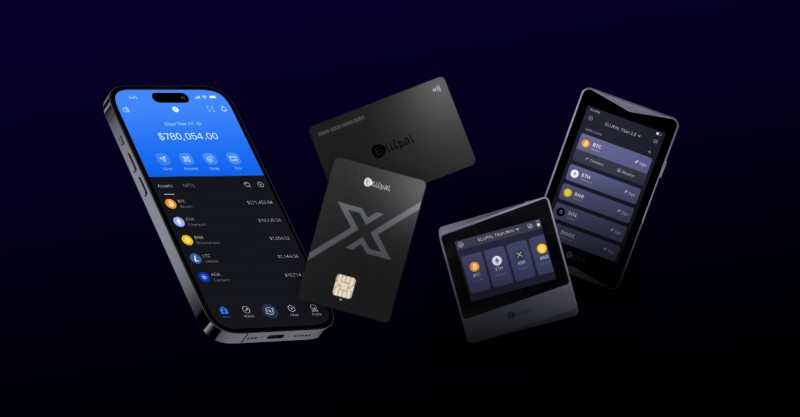
Crypto card wallets link digital assets to daily spend, like a debit card. Cold wallets are offline ones. Tangem and ELLIPAL both make cold wallets. ELLIPAL has the X Card, Titan 2.0, and Titan Mini. These are physical and keep keys off the net.
When people ask what is the safest digital wallet for cryptocurrency , I point to cold storage first. But safe is not same as easy. Pick by how much you hold and how often you trade.
Hot Wallet vs Cold Wallet Crypto
The big split in daily talk is hot wallet vs cold wallet crypto . Hot means connected to net. Cold means offline. Hot is fast and free to start. Cold is slow and costs but blocks remote hacks.
If you trade small amounts often, a hot wallet app is fine. If you sit on a big stack for years, cold is the better bed. I do not think one is always right. It depends on your sleep level at night.
Hot vs cold at a glance
- Hot wallet: connected, fast, easy, more hack risk
- Cold wallet: offline, slow, costs money, less remote risk
- Hot fits daily use and small sums
- Cold fits long hold and large sums
Some folks want the easiest cold wallet to use . That is often a card style like ELLIPAL X Card. You still must learn the seed phrase step. No cold wallet is zero effort, do not believe that.
How to Get a Crypto Wallet: The Options
To get a crypto wallet, you choose among custodial wallets from exchanges, self-custody software apps, or hardware wallets. Each path is valid. The route you take should match your need for control and ease.
For a custodial wallet, you can use one from a crypto exchange. Coinbase or Gemini let you change crypto to cash and send to your bank. Some groups set up the wallet for you. That is handy if you do not want to touch keys.
Self-custody software wallets give you the keys. P100 is one example. It offers a personal Euro account, SEPA transfers, a Mastercard, and buy or swap of coins. It uses MPC tech so your keys stay safe even if a device breaks.
P100’s self-custodial crypto wallet utilizes Multi-Party Computation (MPC) technology, ensuring unparalleled security for your private keys and funds.
If you want a device, ELLIPAL sells cold wallets: X Card at $69, Titan 2.0 at $169, Titan Mini at $79. They also sell steel seed backups. When your crypto value grows or you want true self-custody, a hardware wallet is a smart move away from exchange risk.

I get asked who has the best crypto wallet a lot. There is no single best. The best is the one you can use right and keep safe. For some that is Coinbase. For others it is a Tangem card.
Wallet Features and the User Interface
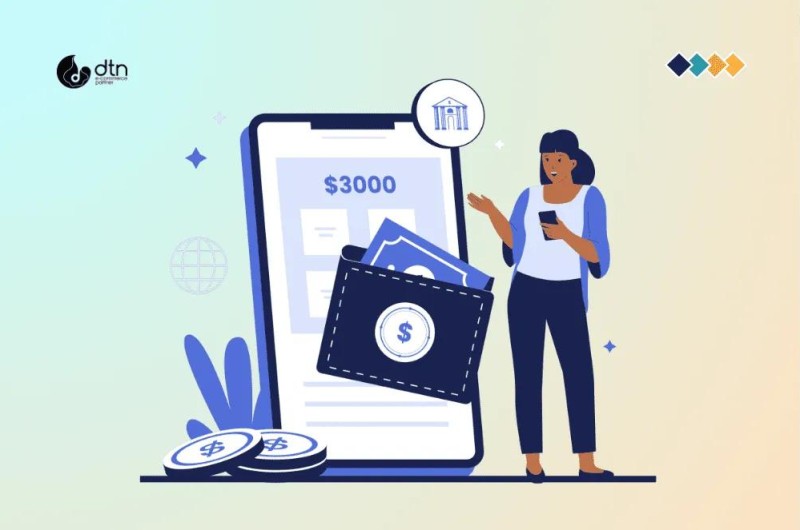
A basic wallet screen shows a few things. Balance tells you total assets. Transaction list shows past moves. Transaction details let you dig into one move. Token list shows owned tokens, like NFTs.
P100 adds more: personal Euro account, SEPA, debit card, instant peer-to-peer, buy or sell or swap, cashback up to 20%, and market or limit orders. That is a full money app, not just a key store.
Common wallet screen parts
- Balance: check total wallet assets
- Transaction list: view transaction history
- Transaction details: explore specific transaction info
- Token list: access owned tokens, especially NFTs
Developers can fill these parts with simple API calls. That is how a wallet app shows your data without you reading the blockchain by hand. Nice for users, less nice if the API breaks.
Key Management and Security Basics
The private key gives access to funds. Anyone with it can steal. The public key is the hashed version. Your wallet generates both. On hardware, set a PIN and recovery phrase. Use a steel backup for the seed so fire or water will not wipe it.
MPC tech, like P100 uses, keeps assets safe even if one device is compromised. Cloud tools like AWS CloudHSM and AWS KMS store keys in a secure way. CloudHSM is a hardware module certified at FIPS 140-2 Level 3. Only you can reach the keys.
Use seed phrase steel backup. MPC technology (P100) ensures assets safe even if devices compromised.
Hey, do not skip this part. Your recovery phrase is the master key to bring back funds if the device dies. If you lose it and the device breaks, the money is gone. No support line can help. Write it down and hide it well.
Supply Chain and Drainer Risks
Hardware wallets can be attacked before they reach you. This is a supply chain attack. A bad actor can tamper with the device in the mail or at the factory. Check the seal and do not buy from weird resellers.
Crypto wallet drainers are another risk. These are scams that trick you into signing a bad transaction. Once signed, funds leave. The source notes P100 related articles on drainers. Read them if you use any software wallet.
Wallet risk list
- Supply chain tamper on hardware before setup
- Wallet drainer scams via fake sign prompts
- Lost paper wallet or seed phrase
- Exchange freeze on custodial funds
For donations, the source says sell crypto right when you get it to avoid price swings. That is a tip for groups, but it works for people too. If you do not want risk, do not hold. Swap to cash or stable coin fast.
Crypto Donations and Nonprofits
A crypto wallet is a tool to send and get funds. For nonprofits, a donation platform can open a wallet, auto change crypto to cash, and send to a bank. Infinite Giving does this: share a link, they convert to USD, money lands in the group account.
The average crypto gift is large. In past data shared by the source, the avg crypto donation was above $10,000 while online cash gifts were near $120. Nonprofits got over $1 billion in crypto donations in 2024. That is a real shift in giving.
The average crypto donation is $10,000; average online cash donation ~$120.
Top coins for gifts: Bitcoin, Ethereum, USDC, Litecoin. Fees vary. The Giving Block takes 5% plus a subscription. Infinite Giving, Coinbase, Gemini are free with about 0.5% conversion fee. Pick by total cost, not just the headline.
If you run a group, the checklist is: a crypto wallet for keys, a donation tool, a gift policy that says sell fast, tax receipts, and some public info for donors. Easy to list, harder to do well.
Under 18 and Crypto Wallets
Some ask about an Under 18 crypto wallet . The source does not give a step by step for kids. But the core idea holds: a minor may need a custodial setup via a parent or a platform that allows it. Self-custody needs a legal grasp of key loss.
I would not hand a 15 year old a hardware wallet and walk off. Start with an exchange custodial account under adult control. Teach the key idea early: not your keys, not your coins. That lesson sticks better than any app.
Notes for younger users
- Use custodial exchange with adult help
- Learn key safety before self-custody
- Small amounts only while learning
- Watch drainer and scam risks together
The point is not to block youth. It is to build skill slow. A lost seed phrase hurts the same at 17 or 70.
Robinhood, Trust, and Ledger Names
People write me asking Is Robinhood wallet safe . The source does not rate Robinhood direct. But Robinhood is a custodial style path in most setups. Safety depends on the firm, not just the app name. Read who holds the keys.
Another common ask: what is a crypto trust wallet . Trust Wallet is a software wallet type. The source lists wallet kinds but not that brand deep. The rule still fits: know if it is custodial or self-custody before you load coins.
And crypto wallet ledger often means the Ledger brand of hardware. Ledger is a cold wallet maker. It keeps keys offline like ELLIPAL or Tangem. Brand is not magic. The offline storage is the real safety bit.
Crypto wallets are also an important part of how Bitcoin works.
If you see a list of top rated crypto wallets , check the date of the list and who made it. Ratings shift when a firm gets hacked or changes custody terms. A top rating last year can be a trap now if the keys left your hands.
Coin Wallets and Daily Use
When folks say coin wallets crypto , they mean wallets that hold specific coins. Most wallets support many coins, not just one. A Bitcoin wallet can also hold Ethereum if the app allows. Check coin support before you buy a device.
Mobile wallets with barcodes make daily spend easy. You scan, confirm, done. But the phone is hot. If the phone gets malware, the wallet can too. A small spend wallet on phone and a cold save wallet at home is a sane split.
Daily use split idea
- Phone hot wallet for small spend
- Hardware cold wallet for savings
- Exchange custodial for cash out
- Paper only if you truly understand limits
No wallet removes all risk. You lower it by using the right tool for the right job. That is the whole game.
Wallet Works With the Blockchain
To get funds, you send your wallet address. That address is like a bank number. Someone with it alone cannot steal. They need your private key to move coins. The blockchain records all moves. You can check any wallet's balance and history.
Wallets add a cryptographic signature to transactions using your private key. That signature proves the move is valid and not changed. Then the wallet talks to blockchain nodes to show progress and confirmations. You watch the status in real time.
Wallets add cryptographic signatures to transactions using the user’s private key to create new transactions and send them securely to the blockchain network.
This is why a wallet is not just a screen. It is a signer and a reader. Without it, you cannot prove the coins are yours or send them on.
Building or Picking a Wallet App
If you build a wallet app, the source says you need KYC and AML onboarding, secure key management, transaction handling, and compliance like ISO 27001 and GDPR. For users, that means a good app should show these cares, not hide them.
Amazon Managed Blockchain helps developers reach Bitcoin and Ethereum. AMB Access gives a gateway to nodes. AMB Query gives indexed data via API. That is behind the scenes, but it shows wallets are not simple if made well.
For the rest of us, we just pick a built app. But knowing the parts exist helps you ask smart questions. Does it do KYC? Where are keys stored? Those matter more than a nice icon.
Market Context and Wallet Growth
Roughly 65 million Americans own crypto. Over 800 million people worldwide use it. The global market cap grew by a trillion since 2021. More wallets appear as more people join. Over 75 million wallets exist in the world per the source.
From 2020 to 2024, the share of top US charities taking crypto donations went from 12% to 70%. That is a fast shift. It shows wallets are not just for traders. Groups use them to get funds safe and global.
Wide crypto use facts
- 65 million Americans own crypto
- 800 million plus engage worldwide
- 75 million plus wallets in the world
- Charities taking crypto rose to 70% by end 2024
None of this means you must rush. But the scale tells you wallets are a base skill now, like a bank app was ten years back.
My Plain Take on Getting Started
If you want to learn how to get a crypto wallet, start small. Pick one type. Custodial for ease, self-custody for control, hardware for save. Do not load life savings day one. Test with a little coin and learn the send and receive steps.
Guard the keys. That is the one rule that never changes. The apps will change, the brands will rise and fall, but the key safety is forever the job one part. I cannot say it enough.
Guard your keys and skip the beginner traps.
And do not fall for a rating list as truth. top rated crypto wallets can help, but read who made it and when. A wallet that fits your need beats a famous name that does not.
The good news: you do not need to be a tech person. The source says so and I agree. You need clear steps and a calm head. That is how to get a crypto wallet without losing your mind or your keys.

Comments on “Here's How to Get a Crypto Wallet (and Keep Your Keys Safe)”
No comments yet. Be the first to share your thoughts.