
How the Crypto ETF Price Works-and What Shifts Its Value
What a Crypto ETF Price Actually Tracks
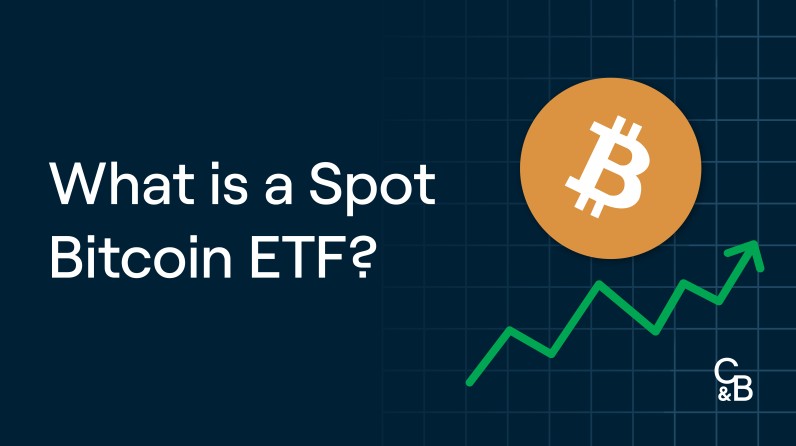
I keep seeing folks get confused by the crypto etf price. They think they need a wallet or some tech know-how. They don't. A crypto ETF is a fund you buy on a stock exchange. Its shares move with the price of the crypto it holds or follows. You own a slice of a fund, not the coin itself.
A spot crypto ETF holds the actual coin in custody. If Bitcoin goes up, the share price goes up. A futures-based one uses contracts, and that can drift from the real coin price. The crypto etf price is just the going rate for one share of that fund on the open market.
ETP and ETF, the Plain Version
An Exchange-Traded Product (ETP) is a broad tag for stuff you trade on a stock exchange that follows an asset. That asset can be stocks, gold, or crypto. An ETF is one kind of ETP. It's a fund that holds a basket of things, often the real asset.
In the US and EU, ETP is kind of a blanket word. ETFs copy an index or basket. ETNs are notes from a bank, with issuer risk. ETCs usually follow a commodity like gold. In Switzerland, an ETP is its own thing: full collateral, low issuer risk, no lock-up. SIX Swiss Exchange lists them with clear rules.
Types of Crypto ETPs You Might See
There are a few shapes these products take. Some hold real coins. Some are just debt from a bank. Others try to amplify or flip the daily move, and those are bad for holding long term.
Common crypto ETP types
- ETFs: funds that hold the real asset, like a spot Ethereum ETF with actual ETH in custody.
- ETNs: debt from a bank, no collateral, you eat the issuer risk if the bank fails.
- ETCs: trade like ETFs but track commodities; a Bitcoin ETC holds real coin in cold storage.
- Leveraged and inverse: aim at daily moves, 2x or 3x or short; rebalancing wrecks long holds.
Types of Crypto ETFs
The crypto etf price depends a lot on which type you buy. Spot ones track close to the coin. Futures ones can wander off due to roll costs and premiums.
Crypto ETF flavors
- Spot crypto ETFs: hold real coin, shares follow live price (IBIT, GBTC, FETH).
- Futures-based: use contracts, can diverge from spot (BITO is one).
- Synthetic: use swaps and derivatives, more seen in Europe.
- Thematic or basket: mix coins, mining stocks, blockchain firms (EFUT, BITS).
Grayscale's SVP Krista Lynch said GXRP is designed to offer efficient tracking and straightforward exposure to XRP for investors.
Why These Funds Matter to Regular People
They are a bridge from normal finance to crypto. You skip the wallet and the keys. For big shops, they fit the rules they must follow. Regulators get a structure they know. That lowers the barrier a lot.
But you don't get the perks of owning coins. No decentralization, no direct use, no anonymity. You hold shares in a fund. And if you ever wondered if you can buy crypto with etrade , the answer is usually no direct coin, but you can often buy the ETF there.
How the Crypto ETF Price Moves With Flows
The crypto etf price reacts to money moving in and out. When a fund sees net inflows, that buying pressure tends to support the price. Outflows do the opposite. BlackRock's IBIT has often led flows by a wide margin.
One snapshot showed Bitcoin ETFs with positive net inflows over a short stretch, reversing prior distribution. IBIT took the lion's share. Grayscale's GBTC kept bleeding out. That kind of flow data tells you where the money mood is.

Derivatives Push the Price Around Too
Derivatives sit underneath a lot of the crypto etf price action. Funding rates show if traders lean long or short. Open interest is the total bets open. When those expand fast, the market is adding exposure.
Perpetuals make up most of the derivatives volume, and that is retail driven. Altcoins can swing harder when money rotates into them. A calm funding rate does not mean safe, just balanced for now.
Derivative signals worth watching
- Funding rates: positive means long bias, negative means short pressure.
- Open interest: rising OI means new money in, falling means deleveraging.
- Long/short ratio: high reads as crowded, low as washed out.
- Term structure: flat or upward slope shows how folk price future carry.
Stablecoins and DeFi as Dry Powder
Stablecoin supply is like dry powder waiting to enter. More mints mean more cash on the sidelines. Tron and Arbitrum saw net gains in supply at times, while Ethereum mainnet saw drains.
DeFi lending TVL gives a read on credit health. When liquidations stay near zero and utilization is mid-range, the system is not stressed. That mood feeds back into the crypto etf price through broader risk appetite.
Spot Bitcoin ETF Price Mechanics
A spot Bitcoin ETF holds real Bitcoin in custody. Your shares rise and fall with the coin. No wallet, no keys. It opens the door for folk who would never touch a seed phrase.
Benefits include easier access and more liquidity in the broader Bitcoin market. But the coin itself is still volatile. Pooled funds don't erase that, they just spread it across shareholders. Institutional adoption lends legitimacy, which pulls in more demand.
The crypto etf price tracks the asset, not the hype, though hype can move the asset.
Futures Can Drift From Spot
This part matters. A futures-based crypto ETF does not hold the coin. It holds contracts to buy or sell later. Roll costs and premiums can make its return stray from the real price.
So if you watch the crypto etf price of a futures fund, don't assume it equals the coin. Tracking error is real, especially there. A spot fund is closer, but fees still nibble at returns.
Early US Path and What It Took
The US was slow. Regulators turned away many proposals citing manipulation and investor protection. Then came a futures ETF approval. Later, spot Bitcoin ETFs got the green light, and volume on day one was huge.
Canada and Europe moved earlier. Sweden launched a crypto-linked ETP years before the US spot funds. Switzerland and Germany followed with products on SIX and Deutsche Börse. That gave European investors direct access via ETPs well before US spot ETFs.

Swiss ETPs vs US ETFs
In Switzerland, an ETP is not segregated like a US ETF, but it must be 100% collateralized. That cuts issuer risk a lot. A Swiss ETP holds real assets equal to the value, with a third party watching.
The EU blocks crypto under UCITS rules, so no crypto ETFs there. They use ETNs, often not collateralized, which brings issuer default risk. Swiss ETPs need only a securities account, easier than a wallet for most.
XRP ETFs and Institutional Money
XRP spot ETFs came after legal uncertainty cleared. One launch was the biggest first-day volume for any asset class that year. Within a month, cumulative inflows crossed a big mark, fast for a new digital asset fund.
A large bank later disclosed a sizable position in spot XRP ETFs via a filing. That put it among the largest known holders. Flow persistence suggested considered allocation, not just momentum chase. Folk use XRP ETFs as part of a broader crypto mix.
Notable XRP ETF launches
- REX-Osprey XRPR: earliest spot-style exposure.
- Canary XRPC: big first-day volume on Nasdaq.
- Bitwise XRP ETF: listed shortly after.
- Grayscale GXRP: converted trust to public ETF.
Staking-Enabled Crypto ETFs
A Solana staking ETF in the US was a milestone: first listed fully staking-enabled Solana ETF. It aims for full staking via institutional services. Rewards get credited and reinvested, minus a fee.
Another Solana ETF converted from an older trust and listed around the same time. The "first" label got messy, but the point stands: staking inside a '33 Act fund is now live. That changes the yield story for holders.
Risks You Should Not Skip
Hey, don't skip this part. The underlying coins are volatile. Fees eat returns. Futures funds can show tracking error. Rules vary by place, and crypto markets can be manipulated. You buy shares, not coins.
Futures rely on contracts that expire and roll, creating gaps versus the real price. If you wonder about a robinhood crypto etf type product, check if it is spot, futures, or a basket, because the crypto etf price behavior differs a lot.
Underlying crypto volatility remains, and management fees reduce returns over time.
Market Mood and the Crypto ETF Price
Mood is a soft force but real. A risk-on rally with constructive signals can lift the crypto etf price. But compressed funding and deleveraging tell you traders are cautious under the surface.
Low realized volatility can hint at a calm before a sharp move on a catalyst. Concentrated holdings in top issuers show a quality bias. Big bank filings validate the space, but also show where the money pools.
Reading the Crypto ETF Price Without a Wallet
You don't need coins to care about the crypto etf price. The funds track markets through holdings, flows, and derivatives. A spot fund is closest to the coin. A futures fund adds a layer of drift.
If you ask what crypto has the most potential , the ETF wrapper won't answer that for you. It just gives a way in. Do your own read on the asset, then pick the fund type that fits.
Buying Through Normal Brokers
Most people access these via a standard brokerage. If you're new, you might ask best crypto to buy on robinhood , but on Robinhood you often get the ETF, not the coin. That's fine for exposure without custody hassle.
The crypto etf price you see is the share price. It moves with the asset and with fund flow. Watch the issuer, the fee, and whether it is spot or futures. Those three drive a lot of the gap from the coin.
Funds That Mimic an Index
A cryptocurrency index fund is just a basket following a set of coins or related stocks. Some ETFs do this with blockchain firms plus futures. It spreads risk but also dilutes pure coin move.
If you wonder what is best cryptocurrency to hold, an index fund is a lazy way to avoid picking one. You take the average, minus fees. Good for broad bet, weak for max conviction.
Making Sense of Returns
People always ask how do you make money off crypto . With an ETF, you make it the same way as a stock fund: buy low, sell high, or collect structured yield if staking is built in.
But the crypto etf price includes the fund's cost. Fees, tracking error, and roll can all shave gains. The coin might rise 10%, and your fund maybe less. That's the trade for not holding the coin yourself.
Picking a First Fund
If you're hunting best new crypto to buy , the ETF shelf is where many start now. Spot Bitcoin and Ethereum funds are the simple ones. XRP and Solana funds expanded the menu.
And if you ask whats a good crypto to invest in , I'd say look at the fund type first. Spot beats futures for tracking. Low fee beats high fee. Liquidity beats a thin book.
Bit Coin Trade Inside the ETF
A bit coin trade through an ETF is just buying or selling the share. You get the price move without the chain. That's the whole point for folk who want simple access.
The crypto etf price still ties back to the coin. If Bitcoin jumps on news, spot ETFs jump with it. Futures might lag or lead by a bit. Either way, the trade is a broker order, not a wallet send.
What Drives Swings, Summed Up
Flows, derivatives, stablecoin supply, DeFi health, and listing rules all push the crypto etf price. A spot fund is tight to the asset. A futures fund adds noise. Mood flips fast in this space.
Forces behind the moves
- ETF flows: inflows support, outflows press down.
- Derivatives: funding and OI show trader lean.
- Stablecoins: supply is potential ammo.
- Regulatory listings: faster paths bring new products.
Market mood: risk-on rally with cautious funding compression and deleveraging beneath.
Why I Keep Watching This Space
I care because the crypto etf price is now a main channel between normal finance and a weird asset class. It lowers the wall, but the wall was there for a reason: volatility and weak oversight.
You don't need to be a tech person to follow it. Read the fund type, watch the flows, and ignore the noise. The crypto etf price will tell you most of what you need if you know which lens to use.


Comments on “How the Crypto ETF Price Works-and What Shifts Its Value”
No comments yet. Be the first to share your thoughts.