
How the Robinhood Crypto ETF Compares to Wallets and Stock Tokens
Robinhood Crypto ETF: Crypto Exposure Without Owning Coins
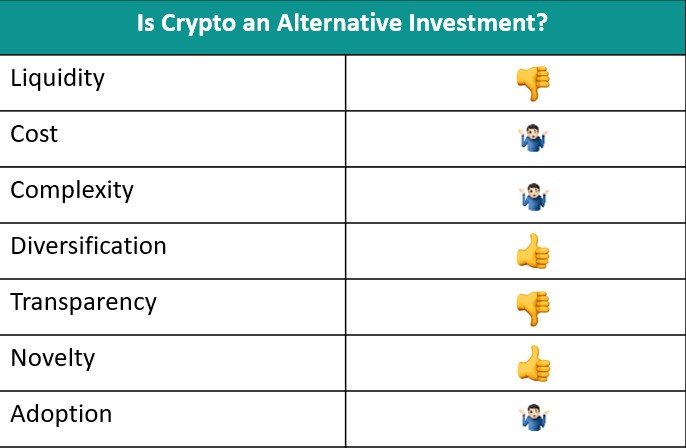
I keep seeing folks ask what a robinhood crypto etf even is. Plain and simple, it gives you crypto exposure without owning coins. You buy shares in a fund through a normal brokerage account, and the fund tracks the price of a coin like Bitcoin or Ethereum. You never hold the actual coin, and you don't need a wallet or any blockchain know-how.
This is different from buying crypto on the spot market. With a robinhood crypto etf, you own a slice of a fund, not the asset. If the coin goes up, the ETF share usually goes up too. If it drops, your share drops. You don't get to move the coins, stake them, or spend them. That trade-off matters, and I'll come back to it.

Robinhood started with zero-commission stock trading back in 2015. The company became public in July 2021. Over time they added crypto trading, options, futures, retirement accounts, and a Gold subscription. A robinhood crypto etf would sit inside that same brokerage world, bought like any stock or mutual fund.
How the Robinhood Crypto ETF Compares to Wallets
The big split is between a robinhood crypto etf and a wallet where you hold the assets yourself. With the ETF, Robinhood or a fund issuer holds the crypto exposure for you. With their wallet, you take self-custody. That means you control the private keys and the coins actually sit under your name, not theirs.
Robinhood Wallet came out of a plan they announced in late 2021. The wallet lets you trade, send, receive, and hold coins, and move them in and out of the app. It is run by a separate entity, Robinhood Non-Custodial, Ltd. If you want direct ownership, that is the path. If you want simple exposure through a brokerage, the robinhood crypto etf style product is the other.
Two ways to get crypto through Robinhood
- robinhood crypto etf: buy fund shares, no coins in your hands
- Robinhood Wallet: self-custody, you hold keys and coins
- Spot crypto trading: buy the real asset, kept by you or by Robinhood in custody
- Crypto stock tokens in the EU: tokenized US stocks, not the same as an ETF
The blog post also announced that its recurring crypto investments feature was made available to all customers, allowing users to buy coins commission-free on a set schedule.
One thing I care about: if you use the wallet, you are on the hook for security. Robinhood says they keep most customer crypto in cold storage with crime insurance, and you can move it to your own wallet. But once it is in your wallet, you own the risk. The robinhood crypto etf skips that part because you never touch the coins.
Crypto ETFs Versus Spot Crypto and Futures
A crypto ETF is one of the most accessible ways to get exposure to cryptocurrencies without owning the underlying coins. Some ETFs hold the actual coins, called spot ETFs. Others hold futures contracts tied to crypto prices. Either way, you buy shares in a fund, not the asset itself. This is key for people who want in without the tech mess.
Spot crypto is the direct route. You buy 1 Bitcoin, you own 1 Bitcoin. You can stake it if the network allows, or send it to a friend. The robinhood crypto etf does not give you that. You cannot transfer, stake, or spend the coins inside the fund. For long-term holders who want control, that is a real downside.
Futures are a different beast. They are contracts to bet on future price without owning the coin. They can use leverage, which means small moves hit hard. A robinhood crypto etf is calmer by design: no leverage, no margin call, just shares that track price during normal market hours.
Quick compare of three paths
- ETF: passive, brokerage-friendly, no ownership, possible tracking error
- Spot: direct ownership, 24/7 market, custody is your job
- Futures: active trading, leverage, margin calls, forced liquidation risk
- ETF in IRA: can sit in tax-advantaged account, easy for retirement savers
If you want a safe way to buy crypto without becoming your own bank, the ETF route is the softer on-ramp. You still take price risk, but you skip private keys and phishing fears. That is why I think a robinhood crypto etf makes sense for nervous first-timers.
What a Robinhood Crypto ETF Actually Holds
The source talks about crypto ETFs broadly. A fund can hold the coin directly or hold futures. A robinhood crypto etf would follow the same idea: track a coin or a basket, then sell shares. You get the price move, minus fees and any tracking error. The fund handles the backend, not you.
Some funds are thematic. They buy stock in companies tied to crypto, like miners or exchanges. That is indirect exposure. A straight robinhood crypto etf tied to Bitcoin or Ethereum is more direct, but still not ownership. You are buying a claim on performance, not the coin.
ETFs trade on stock exchanges and can be held in most brokerage and retirement accounts.
When people ask how to buy crypto token style assets, I remind them an ETF is not a token. It is a stock-like share. You buy it with the same order types you use for VTI or Apple. Market, limit, stop: all work. And the shares show up in your brokerage account, no wallet app required.
Robinhood Stock and ETF Tokens on Layer 2 Blockchain
Robinhood unveiled US stock and ETF tokens in the EU at an event in Cannes. These are not a robinhood crypto etf. They are tokenized US equities on a blockchain, giving EU users access to 200+ US stock and ETF tokens with zero commissions from Robinhood. Dividends are paid in the app.
The tokens first launched on Arbitrum. Robinhood said they are building their own Layer 2 chain later, made for real-world assets and 24/5 trading. This is a different product from a robinhood crypto etf, but it shows how Robinhood blends crypto rails with normal market access.
If you are in the US, these stock tokens are not your option. But the robinhood crypto etf idea is closer to home: buy through the app you already use. No new chain, no token bridge, just a normal ticker in your account.
Crypto Perpetual Futures and Staking at Robinhood
Robinhood rolled out crypto perpetual futures in the EU, with up to 3x leverage. Perps are derivatives with no end date, routed through Bitstamp's exchange. This is for active traders, not a robinhood crypto etf buyer. Leverage can wipe you out fast, so I'd steer beginners away.
On the staking side, US customers can stake Ethereum and Solana through Robinhood, with more coins likely later. EU users already have staking. Staking is not the same as a robinhood crypto etf: you lock coins to help a network and earn rewards. With an ETF, you just hold shares and watch the price.
Robinhood crypto add-ons
- Perpetual futures: EU only, leverage, active trading
- Staking: ETH and SOL for US, broader in EU
- Instant deposit boost: limited promo for moving crypto in
- Gold card rewards: can auto-buy crypto with cash back later
I'll be plain: the deposit boost promos are time-limited and come with rules. Don't move your life savings for a 1% or 2% bonus unless you already wanted to be on Robinhood. A robinhood crypto etf is a slower, boring way to get exposure, and that is fine.
Robinhood Wallet and Self-Custody
Robinhood Wallet is the opposite of a robinhood crypto etf in one clear way: you hold the assets yourself. The wallet is self-custody, run by a Cayman entity. You get your keys, your coins, your responsibility. Send, receive, trade, all from your phone.
The wallet test started with a waitlist, then opened up. Security includes ID check, multi-factor auth, and email or phone verify. If you lose your keys, Robinhood can't save you. That is the deal with self-custody, and it is a big reason some folks prefer the ETF.
Users can transfer their crypto to an external self-custody wallet, like Robinhood Wallet, to have full control over their assets and private keys.
For people comparing difference between coinbase and coinbase wallet, the Robinhood split is similar. One side holds for you, the other side puts you in charge. A robinhood crypto etf is the "held for you" end. Robinhood Wallet is the "you hold it" end.
Buying Crypto Through Other Routes
Some readers ask can you buy crypto with etrade. The short answer is that traditional brokers may offer crypto ETFs or futures, but not always direct coins. A robinhood crypto etf fits the broker model: buy the fund, skip the wallet. If you want coins, you usually need a crypto app or a wallet.
Then there is binance united states. That is a separate exchange with direct coin trading and its own custody. Not Robinhood, not an ETF. If you go that route, you take on exchange risk and self-custody choices. The robinhood crypto etf keeps things inside one brokerage screen.
And for the curious, best crypto to buy on robinhood depends on what they list. The source does not give a pick list, so I won't fake one. The point is that with an ETF, you often track a major coin like BTC or ETH through the fund, not by picking a small token.
Ways people get crypto
- Broker ETF: robinhood crypto etf style, no coins held
- Direct exchange: binance united states, Coinbase, Robinhood spot
- Wallet: self-custody, keys in your hands
- Stock tokens: EU only, tokenized equities not coins
Crypto ETF Price and Tax Basics
The crypto etf price moves with the underlying coin. If Bitcoin rises, a spot BTC ETF usually rises near the same rate. Fees and tracking error can cause small gaps. That is the cost of not holding the coin yourself. A robinhood crypto etf would have the same basic math.
Tax is simpler with an ETF than with spot coins. Spot crypto is property in the US, so every trade can trigger gains. A crypto ETF follows normal equity rules. Futures get a special 60/40 split. None of this is advice, just how the source lays it out.
Tax: Spot crypto treated as property by IRS, each sale/trade triggers capital gains. Crypto ETFs follow standard equity tax rules.
If you are using a retirement account, a robinhood crypto etf can sit next to your other funds. That is a plus for long-term savers. You get crypto exposure without owning coins and without a separate tax mess per trade.
Top Crypto Stocks and Related Plays
Some folks search Top 10 crypto stocks when they want exposure without a wallet. Those are shares in firms like exchanges or miners. A robinhood crypto etf can be a cleaner pick: one fund, one ticker, no single company risk. But a thematic stock ETF is also an option if you want indirect play.
Robinhood itself is a public stock, ticker HOOD. It is not a robinhood crypto etf, it is the company. If you believe in the app, you can own the share. If you want coin price, the ETF is the other lane. Both are brokerage buys, both show up the same way in your account.

People also ask what crypto has the most potential. I don't know, and the source doesn't say. A robinhood crypto etf tied to a big coin is a bet on the large market, not a hunt for the next small token. That fits folks who want slow, broad exposure.
Robinhood Gold and Crypto Features
Robinhood Gold is a paid sub, around $50 a year. It adds research, higher savings rate, and market data. Gold users also get a credit card. None of this is a robinhood crypto etf, but Gold can sit next to your crypto buys in the same app.
The Gold card will let US users put cash back into crypto auto-buy later. That is a small, regular way to get exposure. Still not an ETF, but it shows Robinhood building crypto into the everyday account. For the ETF, you just buy the share like any stock.
Robinhood account layers
- Base account: stocks, options, crypto spot, ETF buys
- Gold sub: data, savings, card, margin if wanted
- Wallet: self-custody coins, own keys
- ETF tokens: EU stock tokens, not a robinhood crypto etf
I use a few index ETFs myself and like the calm of it. A robinhood crypto etf would fit that style: set it, hold it, check once in a while. No midnight wallet worry.
Risk and Compliance Notes
US crypto services run through Robinhood Crypto, LLC. Crypto held there is not FDIC or SIPC protected. A robinhood crypto etf, if it is a normal SEC fund, falls under different rules than spot coins in custody. Read the fund sheet before buying.
Perpetual futures and stock tokens carry real risk and are not for everyone. The source flags that eligibility varies by region. A robinhood crypto etf is meant to be the calm option, but it still drops when the coin drops. Don't mistake "easy" for "safe."
All investments involve risk, loss of principal possible.
The first US Bitcoin-linked ETF from ProShares used futures, not direct coins, and saw huge first-day volume. That shows demand for coin exposure without ownership. A robinhood crypto etf follows the same appetite, just inside Robinhood's setup.
Crypto How to Buy Without the Headache
If you want crypto how to buy in the simplest form, the ETF is the lazy path. Open brokerage, search ticker, buy share. No wallet, no seed phrase, no bridge. A robinhood crypto etf would be that click-and-hold move inside an app you may already use.
For direct coins, you need an exchange and maybe a wallet. That is more work and more risk. The source notes Robinhood keeps most crypto in cold storage with insurance, but self-custody shifts risk to you. The ETF avoids that shift entirely.
safe way to buy cryptoIn my view, a robinhood crypto etf is the safe way to buy crypto for people who freeze at the word "seed phrase." You still ride the price, but you sleep without fearing a lost key.
Robinhood Crypto ETF Next to Stock Tokens
EU stock tokens and a robinhood crypto etf look alike on the surface: both show up as tickers in an app. But stock tokens are shares of US firms on a chain. The ETF is a fund tracking coin price. Don't mix them up if you read Robinhood's EU news.
The EU app became an all-in-one investment tool with tokens. US users don't get that yet. A robinhood crypto etf for US users would be the closer match to that ease: one screen, one buy, no chain setup.

I'd watch for the wording. "ETF token" sounds like a coin, but it is a stock share on a chain. A robinhood crypto etf is a normal fund share. Same calm goal, different wrapper.
Why Some Pick the ETF Over the Wallet
The wallet gives freedom, but freedom costs time. You patch security, watch scams, back up keys. A robinhood crypto etf gives up freedom for calm. You trade control for convenience, and for many that is the right swap.
Robinhood says most customer crypto sits in cold storage with crime cover. With an ETF, the fund handles custody at the fund level. You are not the custodian. That is the whole point of crypto exposure without owning coins.
Pick the ETF if you want
- No wallet setup or key backup
- Buy inside a normal IRA or brokerage
- Plain stock order types like limit and stop
- Less day-to-day crypto stress
This makes ETFs especially appealing for investors who want crypto exposure without managing technical details.
Costs, Fees, and Tracking Error
A robinhood crypto etf will have a fee ratio. The source notes management fees can eat returns. Spot ETFs also have tracking error, where the share price drifts from the coin. That is the price of not holding the coin yourself.
Compared to spot trading, the ETF avoids withdrawal and network fees. But you pay the fund instead. If you trade a lot, those fund fees add up. For a hold-forever buyer, the drift is small over years.
crypto etf priceWatch the crypto etf price vs the coin chart. If the gap grows, the fund is slipping. A robinhood crypto etf should track close, but no fund is perfect. I'd check the sheet once in a while.
Putting Robinhood Next to Coinbase
The source mentions Coinbase and Gemini had wallet features before Robinhood. The difference between coinbase and coinbase wallet is the same split we see at Robinhood: held-by-firm vs held-by-you. A robinhood crypto etf is the held-by-firm end of the scale.
If you already use Robinhood for stocks, adding a crypto ETF there keeps your view in one place. No new login, no new app. That is a small but real win for people who hate app clutter.
Held-by-firm options
- robinhood crypto etf: fund shares, no coins
- Coinbase custody: coins held by exchange
- Robinhood spot: coins held by Robinhood Crypto
- Broker futures: price bet, no coin
Hey, don't skip this part: held-by-firm still means price risk. The coin drops, your ETF drops. Convenience is not a shield from the market.
Who the Robinhood Crypto ETF Fits
A robinhood crypto etf fits the person who wants crypto in a retirement account. It fits the person who owns VTI and wants a small satellite hold. It fits the person scared of wallets. It does not fit the person who wants to stake or send coins.
The source says many combine spot or ETFs at the core and use futures to hedge. That is advanced. For most readers, a robinhood crypto etf is the core, not the hedge. Boring, steady, no margin call.
Many combine: hold spot/ETFs core, use futures hedge.
I like that Robinhood made trading cheap and plain. A robinhood crypto etf is the next step in that: crypto exposure without owning coins, bought like the stocks you already know.
Final Notes on Access and Eligibility
Region matters. EU users get stock tokens and perps. US users get spot, staking in some states, and likely ETF access when listed. A robinhood crypto etf for US buyers stays in the normal broker path, no special chain needed.
The source lists many Robinhood entities: broker-dealer, crypto LLC, wallet Ltd, EU arm in Lithuania. That web shows they split functions by rule. The ETF would sit under the broker or fund side, not the wallet side.
If you are new, start with a small ETF buy and learn the price move. A robinhood crypto etf lets you do that without a wallet class. Then if you want coins, the wallet is there later. No rush.



Comments on “How the Robinhood Crypto ETF Compares to Wallets and Stock Tokens”
No comments yet. Be the first to share your thoughts.