
What Crypto Coin Mining Software Is and How to Stay Safe

What Crypto Coin Mining Software Really Does
I keep seeing folks think crypto coin mining software is just a tool that makes new coins. It's not only that. The software also checks crypto trades on a blockchain and adds them to a shared ledger. This stops the same coin from being spent twice on a network with no boss. When one person pays another, the ledger must show the money left one account and landed in another. Digital stuff is easy to fake, so the network only lets proven miners update it. That gives miners the job of keeping the network safe from double spend.
New coins show up as a reward for that work. Since there is no central bank, the mining step is what makes trade checks real. Miners get a reason to help: the more they check, the better their shot at fresh coins. A proof-of-work rule keeps only real miners in the game and blocks outside attacks. It's a lot like digging for gold, except the "gold" is new coins released when miners solve hard math in the form of cryptographic hashes. A hash is a short digital stamp on a chunk of data. Miners race to find the right hash for a trade, and the first to crack it adds the block and gets paid.
The mining process is crucial for validating transactions on a distributed ledger with no centralized authority.
Each block points back to the one before it with a hash, so you get a chain that goes all the way to the first block. Other users can check if a block is real and if the miner truly solved the hash for the reward. As more miners bring stronger machines, the math gets harder and the race gets tighter. That makes coins scarcer over time. If you want the plain version of what mining in crypto means , it's just that checking and reward loop done by software on your machine.
GPU Roots of Crypto Coin Mining Software
The first public GPU mining software came from a BitcoinTalk member named Puddinpop. Before that, the official Bitcoin miner called Bitcoin Core used CPU and is now too slow to matter. When Bitcoin launched in 2009, all mining was on CPUs. Satoshi's idea was "one CPU, one vote" because only CPU software existed then. Not long after, the first GPU miner showed up and was way faster. CPU mining stopped paying off. A person named ArtForz is believed to have mined the first block with a GPU farm on July 18, 2010.
GPU miners took over fast. By 2012, the first ASIC projects appeared. Soon ASICs ran Bitcoin and GPU mining on Bitcoin was dead. But altcoin GPU mining kept going. Litecoin launched in 2011 with the Scrypt algo before Bitcoin ASICs won. When Bitcoin got too hard, GPU miners moved to Litecoin and still made money. Dogecoin launched in 2013, also on Scrypt, and paid better for a while. Then in 2014 Zeusminer brought the first Scrypt ASIC, ending that GPU era too.
Coins that kept GPU mining alive
- Monero launched in 2014 with Cryptonight, later RandomX, and the community fights ASICs
- Vertcoin launched in 2014 as ASIC-resistant for a short GPU window
- Ethereum launched in 2015 with Ethash and rose in price and profit
- Many new miners miss that GPU mining paid before and after Ethereum
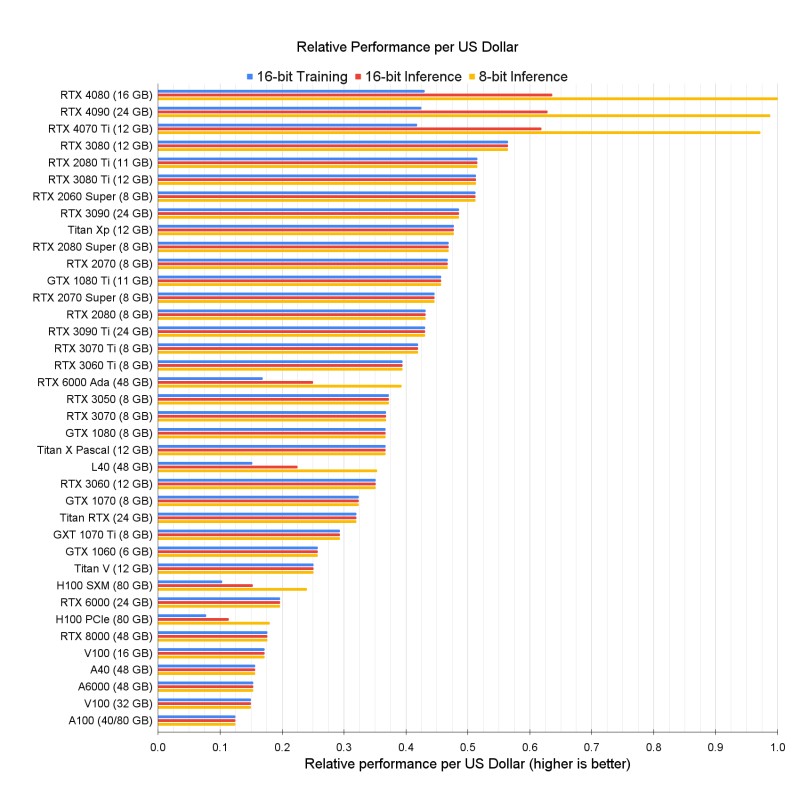
I'll say this plain: GPU mining did not die. There were quiet periods when no coin paid well, then a new project came and mining worked again. If you ask what crypto currency mining is in old terms, it started on CPUs, moved to GPUs, then ASICs took Bitcoin but left room for other coins. And if you wonder about the best gpu for mining crypto , the source does not name one model, but the point is GPUs still matter for coins that block ASICs.
Even if there is a period of less profitable mining, that does not mean that GPU mining has died.
Methods of Mining and Mining Pools
CPU mining was the first way, but today it's slow and costs more in power and cooling than it returns. GPU mining puts a set of GPUs in one rig with a board and fans. ASIC mining uses machines built only for coins, so they beat GPUs but get old fast as difficulty climbs. Cloud mining lets a person rent rig time from a big host, free or paid, and is the most hands-off way. If you're into crypto mining with gpu , you need a rig, net connection, and a pool.
Mining pools let miners share power to find blocks, then split the reward by what they put in. Most crypto mining apps ship with a pool, but people also make their own. Official pools get more trust since they ship updates and support. You can compare pools on CryptoCompare by reliability and profit. Some folks look for a crypto miner for free and join a pool without paying up front, though the payouts are small.
Ways to mine
- CPU mining: cheap to start, too slow now
- GPU mining: rig of cards, still used for ASIC-resistant coins
- ASIC mining: fast but pricey and quickly outdated
- Cloud mining: rent rig time, least effort
To mine, you need software that solves crypto math and a GPU or ASIC plus always-on net. The Monero network uses the Levin protocol for peer talk and can be mapped to about 30,000 nodes. Mapping helps spot bad mining talk. Cross-checking samples to that map finds malware that mines without ask. This isn't perfect alone, but with other signs it catches more. For those asking whats cryptocurrency mining at the network level, it's your machine joining nodes and a pool to solve hashes.
Mining pools allow miners to combine their computational resources to increase their chances of finding blocks.
Mining Was Profitable Before Ethereum
Many new miners think GPU profit began and ends with Ethereum. Not true. There were lags between one coin going cold and a new one opening, but GPU mining kept returning. Scrypt coins, then Monero and Vertcoin, then Ethereum, each gave a window. The short of what crypto currency mining is here is that the rig survives by moving to the next fair coin. A person who wants cryptocurrency how to start should know the history shows cycles, not a dead end.
Malicious Mining and Supply Chain Risk
Mining can make real money, so people build rigs for Bitcoin, Litecoin, Ethereum, Monero. But it eats power. At high power cost, mining loses money unless hardware is free. If you steal someone's computer and power, mining turns very profitable. That's why crooks hack machines and run mining malware. One big case used a bug in Jenkins to mine Monero. Another botnet took over half a million machines. The clean supply chain is your best shield against this kind of abuse.
Crypto-mining is the latest reason organizations should protect their software supply chains.
I care about this part a lot. When a tool you download hides a miner, your CPU screams and your power bill climbs. The fix is not just good antivirus, it's clean sources. If you grab a crypto miner for free from a weird site, you may get more than you wanted. Safe supply means known repos, signed builds, and no LOLBins pulled by scripts you don't read.
PKT Classic and Monero on MSSQL Servers
PKT Classic launched in 2021 to pay people for spare net bandwidth via a PoW algo called PacketCrypt. Miners share bandwidth, not just compute, to earn PKT. In one case, sqlserver.exe ran a command to pull PKT mining tool via certutil, a real Windows tool misused as a LOLBin. The file was saved as pkt.exe and mined to a pool. Task manager showed pkt.exe at 99% CPU. That's a stolen ride on someone's box.
After the SQL break, a PowerShell pulled a file called X.log, then dropped Log.txt that mined Monero with RandomX. The code used "rx/0" in its payload. Log.txt ate 96% CPU. A second file, Net5System.exe, was packed and failed without config. The attack used weak creds and public code from GitHub. Tools like PacketCrypt and XMRig were turned into resource hogs on hijacked systems.
Signs of the MSSQL mining case
- sqlserver.exe runs certutil to fetch pkt.exe
- X.log decoded to Log.txt Monero miner
- pkt.exe and Log.txt at near 100% CPU
- Mitigation: updates, strong pw, real-time AV, resource monitors
Files pkt.exe and Log.txt consumed significant CPU and GPU power on hijacked systems.
Azure Batch Misused for Crypto Mining
Azure Batch runs big jobs on VM pools. One attacker got admin access, made a resource group, and opened three batch accounts. They asked support to lift limits to mine more. A start task pulled a bash script that ran a docker with a coin miner. The wallet was Zephyr, algo rx/0, CPU at 100%, pool at an IP on port 3333. The goal was money, not data theft. The breach lacked MFA, which is a dumb but common gap.
Steps the Azure miner took
- Admin login, new resource group and batch accounts
- Support ticket to raise quota for mining
- Pool with start task wget a script from GitHub
- Docker runs xm miner to a Zephyr wallet
The lesson is simple. Turn on MFA. Watch for odd batch accounts and start tasks. If you run cloud, check your quotas and alerts. A free crypto cloud miner ad might be fine, but an unknown script in your tenant is not. Keep an eye on sign-ins from odd places.
Case Study: A Long Campaign
One sample ran for years and pulled a hashrate of 5.6 MH/S, so thousands of boxes were hit. The rate stayed steady, meaning victims likely never knew. The loader used OS script and PowerShell with an r77 rootkit to drop LOADER. Some versions held config.json, others set it via script. The miner listened on port 999 for XMRig HTTP API. If a box faced the net with no NAT, it could be found via Shodan.
That kind of attack is an extremely lucrative campaign for an attacker.
The pool view showed steady hash, so victims were worldwide or on servers left on. The take was large over time. This is the noisy kind of malware: easy to spot if a pro looks, but most users just see a slow PC. That's why many miners skip stealth and go for mass infection instead.
Public Pool and Proxy Topologies
Most crook miners use public pools with no stealth. They call the pool with a plain wallet. The Zephyr coin shows up a lot even if less profit than Monero. One Zephyr campaign had 1,400 victims and 800 KH/S. Another used a proxy and pirated software like cracked IDM. The flow started at a crack site, then dropped dlIhost.exe to a proxy at custompool.xyz. The attacker hid strings in env vars and tweaked defender exclusions.
We can tell victim region by hashrate cycle. A 24-hour dip points to home users in a time zone, not servers. One campaign masked as game cheats for Fortnite or Roblox and spread on Telegram and Discord. That's a dirty trick on kids. Know that a crypto scamming case can look like a free cheat, not a miner.
Common malicious topologies
- Public pool: plain wallet, low stealth, small profit
- Mining proxy: hides pool, uses XMRig-proxy
- Stratum proxy: forwards to public pool, hides back-end
- Mass script: game cheats and cracks as bait
Cryptominers that use public pools are the most common and do not contain sophisticated features.
How to Detect Bad Mining Software
Detection works best as a mix. Network tools can cross-check the Monero node map with your outbound traffic. Most miners use ports like 999, 3333, 7777. But not all node traffic is mining, some nodes serve other things. So port data matters to cut false hits. RandomX leaves a runtime fingerprint you can probe in threads, and a wallet sits in memory when the miner talks to a pool straight.
A simple regex finds the 95-char Monero wallet in process memory. Hook socket calls or scan memory after first pool link. You can also match the login string with worker and algo. For folks who like best books to learn about cryptocurrency , the real skill is reading these signs, not just theory. And if you run a box, watch CPU spikes you can't explain.
Detection cues
- Outbound to known pool ports
- High CPU with no clear app
- Wallet string in process memory
- RandomX thread fingerprint in registers
Combining multiple detectable IOCs will increase detection confidence.
Legal and Tax Notes
Whether mining pays depends on rig hash, power cost, and coin difficulty. ASICs burn tons of power and heat. Tax hits when you get coins and when you sell them. IRS guidance from 2014 says you owe income at coin value when received. If it's a trade, self-employment tax applies. Some places treat mining as a business, others unclear. Few countries ban it, but laws lag behind the tech.
Climate worry grows as fossil fuel feeds mining. That pushed Ethereum to look at proof-of-stake. Good miners study and tweak. If you're new, cryptocurrency how to start means learn cost, tax, and the coin's rule before you buy a rig. A crypto miner for free sounds nice, but the power bill is never free.
The professional miners who receive best rewards constantly study and optimize mining strategies.

Why Clean Supply Chains Matter
The big defense is a clean supply chain. Bad miners ride on cracked apps, fake cheats, and misused system tools. If you only download from known places and check hashes, you dodge most of it. The source shows attackers used GitHub repos, PowerShell, and Windows tools to drop miners. That's why I say: don't grab a crypto miner for free from a random forum. Your machine will thank you.
For the main topic, crypto coin mining software is both a legit tool and a common malware hook. Learn the GPU roots, the pools, and the tells. If you keep your sources clean and watch your CPU, you stay on the safe side. And if someone asks whats cryptocurrency mining in a quick line, tell them it's software that checks trades and earns coins, but can be abused by crooks who steal your rig.


Comments on “What Crypto Coin Mining Software Is and How to Stay Safe”
No comments yet. Be the first to share your thoughts.