
How To Stake Crypto And Capture Your Best Staking Return Without The Confusion

What Staking Crypto Means
I keep seeing folks ask what is stacking in crypto when they mean staking. Staking is when you lock up coins to help a blockchain run and stay safe. The network gives you more coins as a thank you. It feels a bit like interest at a bank, but you are not lending to a bank. You are helping a decentralized network agree on what happened.
When you stake, your coins act like collateral. They show you plan to play fair. The more you stake, the better your odds to help confirm new blocks and earn rewards. This is how many networks keep things honest without a central boss.
Proof Of Stake Versus Proof Of Work
Old style mining is called proof of work. Miners burn power to solve hard math. Bitcoin uses this and eats a lot of energy. Proof of stake is different. It picks validators by how much they stake, not by who has the biggest machines.
Ethereum moved to proof of stake in 2022. That shift cut its energy use by about 99.95 percent. I think that is a big deal for anyone who cares about the planet and still likes crypto.

How Staking Keeps Networks Safe
Staking makes validators want to behave. If they cheat or go offline a lot, they can lose part of their stake. This is called slashing. It hurts, so most validators try to do the job right.
Attacking a proof of stake network means buying most of the staked coins, and that gets very expensive as the network grows.
The security comes from money at risk. When your own coins are on the line, you tend to care about the rules.
How Staking Actually Works
In a proof of stake network, validators are picked to propose and check new blocks. Most use a mix of stake size, how long you held the stake, and some random draw. Ethereum picks this way and needs 32 ETH to run your own validator.
Once picked, a validator puts up a block of waiting trades. Other validators agree it looks right. Then the block joins the chain for good. This goes on all day with roles swapping around.
Where Staking Rewards Come From
Your reward is not magic. It comes from new coins made by the protocol, fees paid by users, and sometimes extra value from ordering trades. The last one matters more to big players than to regular stakers like you and me.
Sources of staking rewards
- New tokens from block rewards, also called inflation
- Fees users pay to get trades included
- Extra value from ordering trades inside a block
Lock Up And Unbonding Times
Most staking makes you wait before you can leave. When you unstake, you enter an unbonding time. Your coins stay locked, earn nothing, and cannot move. Cosmos takes 21 days. Polkadot takes 28. Solana takes 2 to 3. Cardano has no lock. Ethereum has withdrawal lines instead.
Hey, don't skip this part. If you might need your cash soon, lock times can really bite. Plan before you stake.
Types Of Staking You Can Use
Solo staking means you run your own node. You keep full control and avoid middle fees, but you need tech skills and a big minimum like 32 ETH. Delegated staking lets you pick a validator and keep your coins. Pool staking groups small holders to meet minimums. Exchange staking is easy but you give up custody.
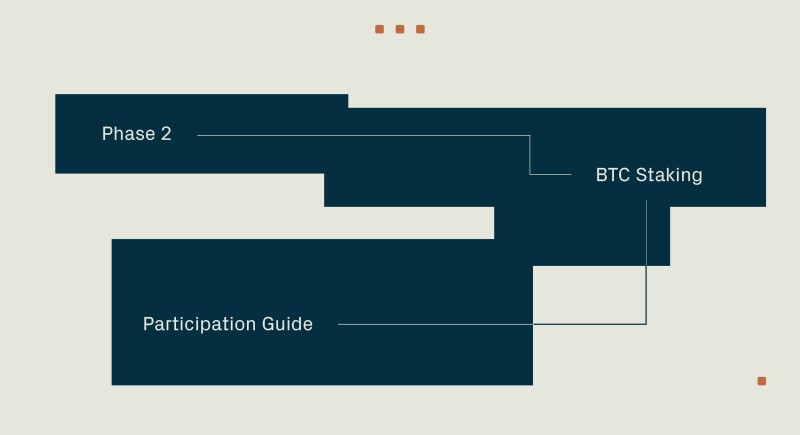
Liquid staking gives you a token that stands for your staked coins. You can use that token in other apps while still earning. Cold staking keeps keys offline for safety. Bitcoin staking now exists through Babylon, with a 7 day unbond and small slash risk.
Ways to stake
- Solo staking for max control and no fees
- Delegated staking through a validator you trust
- Pool staking to join with small amounts
- Exchange staking for simple start
- Liquid staking to keep using your funds
- Cold staking for offline key safety
Staking Rewards And Your Best Staking Return
Your best staking return depends on how much you stake versus the whole network, plus how well your validator does. The simple math is your stake divided by total staked, times network rewards, times validator performance. Fees and slash events eat into it.
People chase best apy staking crypto like it is the only number that matters. High yield often comes with high inflation and more risk. Cosmos shows around 21 percent but its token supply grows fast. Lower yields like Ethereum at 3 to 4 percent may suit people who want less drama.
Approx staking yields by coin
- Ethereum 3 to 4 percent APY
- Solana 6 to 7 percent APY
- Cardano 4 to 5 percent APY, no lock
- Polkadot 10 to 14 percent APY, 28 day unbond
- Cosmos 12 to 21 percent APY, high inflation
- Tezos 9 to 10 percent APY
Higher yields often correlate with higher inflation and potentially higher risk.
Compounding Makes A Difference
If you stake 1,000 tokens at 10 percent with no compounding, you get 100 a year. After ten years you have 1,000 extra. With monthly compounding you end near 1,713 tokens. That is 71 percent more. Auto compounding helps but watch gas fees.
Your best staking return gets better the more often rewards fold back in. Small choices add up over years, not days.
Picking A Staking Platform
You choose custodial or non custodial. Custodial is exchanges like Coinbase or Kraken. Easy, but they take a cut and you trust them with coins. Non custodial means you hold keys. More work, more control, often better return.
Look at security record, reputation, supported coins, fees, minimums, and how easy it is to get out. Some folks also wonder about cryptocurrency luno or similar apps, but check if they even offer staking and what they keep.
What to check on a platform
- Security track record and audits
- Fee structure including validator cut
- Minimum stake required
- Liquidity options like liquid staking
- User experience and support
Staking Security Basics
Use a hardware wallet if you can. Turn on two factor. Pick more than one validator so one bad actor does not sink you. Update your software. Test with a small amount first. These sound boring but they keep your coins yours.
Use hardware wallets. Enable all security features. Diversify validators. Regular monitoring. Keep software updated.
Step By Step To Start Staking
First pick a coin by yield, risk, lock, and minimum. Then choose your method. Beginners often use an exchange or delegated staking. Mid level users try pools or liquid staking. Advanced folks run solo nodes. Institutions use custody help.
Set up a wallet like Keplr or MetaMask. Buy coins and send them in. Stake through the interface. Then watch your validator and claim rewards. If you ever need how do i turn my crypto into cash , that is a separate step after unstaking and sending to a place that sells.
Start staking steps
- Choose coin based on yield and risk
- Select staking method that fits you
- Set up wallet or exchange account
- Acquire and stake tokens
- Monitor and claim rewards
Liquid Staking And Derivatives
Liquid staking tokens stand for staked coins. With Ethereum, Lido gives stETH at one to one. It earns by small daily bumps, not by big price pegs. Binance has BETH. Rocket Pool has rETH. These can trade a bit off face value during stress.
Solana has hSOL, JITOSOL, MSOL, and JUPSOL. They gain value over time instead of showing more coins. You can use them as collateral in other apps. Audits help, but bugs are still possible.
Risks You Should Not Ignore
Price drop is the big one. You can earn 10 percent but if the coin falls 40 percent, you lost on paper. Slashing is rare but real. Lock times can trap you in a crash. Platform failure can take your coins if they hold them.
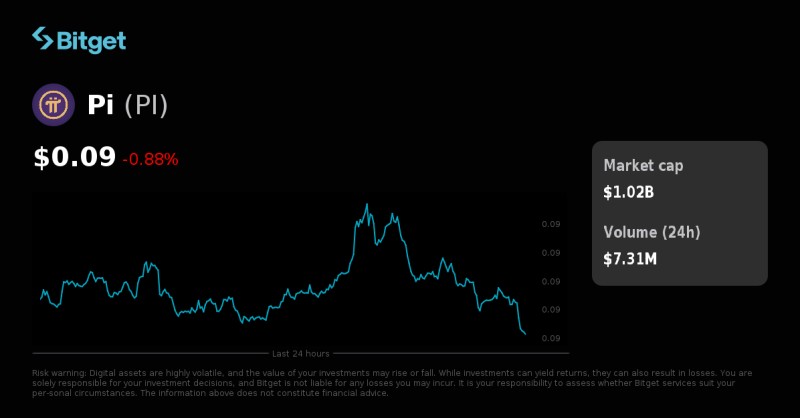
Some ask is pi crypto worth anything before staking unknown coins. If a token has no clear network use or staking path, the reward may not be worth the risk. Stick to coins with real validators and docs.
Main staking risks
- Market volatility can erase rewards
- Slashing penalties from bad validators
- Lock up stops quick exit
- Platform or counterparty failure
- Smart contract bugs in DeFi
Most significant: token price can drop offsetting rewards.
Staking Versus Other Crypto Earn Methods
Staking uses less power than mining and needs less gear. It is calmer than yield farming, which can hit you with smart contract bugs and loss from trade pairs. Lending gives interest from borrowers but adds counterparty risk if the platform fails.
If you want to learn before you leap, a crypto investing course can help you see the difference between these earn types. Just pick one that explains risks plain, not one that sells hype.
Tax And Record Keeping
In the US, staking rewards are taxed as income when you get them, at their value that day. Later sale is a capital gain or loss. Some places tax nothing after a hold period. Keep dates, amounts, values, and tx ids. Tools like CoinTracker help.
This part is boring but it bites if ignored. A simple sheet beats a fuzzy memory when tax time comes.
Institutional Staking And The Future
Big players use special custody, MPC wallets, and clear reports. They pick vetted node runners. The trend is more liquid staking, restaking, and maybe term staking where you lock longer for more return. Distributed validator tech may cut single points of failure.
For regular folks, the takeaway is that staking keeps getting more options. Your best staking return may come from mixing methods once you know the ropes.
Buying And Selling Around Staking
Before staking you need coins. You can how to buy or sell cryptocurrency on many venues, then move to your staking spot. Some use a Decentralized exchange platform to swap without handing over ID, but watch contract risk.
Others look at best crypto to buy on robinhood then wonder if those coins stake. Not all broker coins are movable to your own wallet, so check before you count on rewards.
If long-term believer and no need liquidity, staking generates 3 to 18 percent APY. Else holding preferable.
Common Questions On Staking
Can you lose money? Yes, via price, slash, platform, or bug. Minimums vary: 32 ETH solo, none for delegated ADA or SOL, any amount on some exchanges. Unstake times range from none for Cardano to 28 days for Polkadot.
Is staking safe? With good platforms and validators, fairly. Non custodial with proven validators is better. A crypto funded trader may stake firm capital, but that is a business setup, not a solo holder's path.
Quick staking facts
- Rewards taxed as income when received in US
- Solana has no slashing yet but may add it
- Babylon lets BTC stake with 7 day unbond
- Diversified staked ETH spreads liquid tokens
Getting Your Best Staking Return Without Confusion
Your best staking return is not just the top APY on a screen. It is the yield after fees, after risk, and after you account for price moves. Pick a coin you trust, a method you can manage, and a validator with good uptime.
Start small. Learn the lock times. Use hardware keys. Spread across a couple validators. That is how staking stays useful instead of a surprise you did not sign up for.


Comments on “How To Stake Crypto And Capture Your Best Staking Return Without The Confusion”
No comments yet. Be the first to share your thoughts.