- Risk-free learning: you can trade with $0 and mess up for free.
- Strategy testing: try scalping, grid bots, or swing trades before live.
- Market feel: real-time data shows patterns and how orders fill.
- Confidence: get used to the platform so live trading feels less scary.
- Psychological freedom: no real money means less fear, more focus on process.
- Easy access: many platforms are free or built into exchanges.
How to Start Paper Trading Crypto: Practice Strategies Without Risking Real Money
22 September, 2026
0 comments

Paper Trading Crypto: Practice Before You Risk Real Money
I keep seeing new folks jump straight into crypto with real cash and then get burned fast. Paper trading crypto gives you a zero-risk sandbox to practice strategies before you put real money on the line. You don't need to risk a cent to learn the ropes. It uses live market data in a simulated space so you can test, spot mistakes, and build confidence first.
The best traders validate before they commit capital. This is your sandbox. If you can't make money on paper, you probably won't make it with real funds and all the stress that comes with them. That idea shows up again and again in the source info, and it's worth sitting with.
What Is Crypto Paper Trading
Crypto paper trading, also called simulated trading or cryptocurrency paper trading, is the practice of executing simulated trades with virtual funds instead of real money. You buy and sell digital assets in a sim market with no financial risk. Think of it like a live trading platform but with fake cash.
It used to be done by hand on paper. Now platforms do it for you and copy real-time market data. You track imaginary profit and loss, and study your own performance without the fear of losing your rent. Some platforms use past data, others run on real daily open markets so it feels like normal hours.
For crypto futures, paper trading lets you practice in a sim that uses real-time data but no real capital. It's a practical starting point before you place live orders. And it works for all skill levels, not just pros.
Why Paper Trade Crypto
The crypto market is volatile. Prices swing from global news, rules, and tech changes. In that kind of place, paper trading crypto gives you a few clear wins without the risk.
Main benefits
One more thing. You can backtest on historical data to see how a plan would have done. That's a cheap way to learn without paying the market for the lesson.
Paper trading is a risk-free way to practice trading in a simulated environment that mimics real-market conditions.
Paper Trading vs Simulated Trading
People use "paper trading" and "simulated trading" like they mean the same thing. They are close. Both copy real-time trading with no real money. But sim platforms often go further and feel more like a real exchange.
Paper trading pros and cons
- Pros: zero risk, psychological freedom, backtest on history, often free.
- Cons: no real emotional weight, may mask liquidity, hard to stay motivated.
Simulated crypto trading pros and cons
- Pros: closer to real, practice stop-loss and size, compete with others, advanced tools.
- Cons: still not real money, some cost money, can overwhelm a beginner.
If you're just starting, paper trading is the right first step. Intermediate traders can move to sims for more real feel. Experienced folks use sims to test advanced stuff. Neither is a full copy of live, so pair it with real research.
Crypto Futures Paper Trading Specifics
Crypto futures paper trading lets you practice futures plans, learn leverage, and get familiar with derivatives with no financial exposure. A futures trade is a deal to buy or sell at a set price later. Prices move every day and leverage like x5 or x100 makes risk and reward bigger.
Margin is a big concept here. A practice account shows how margin needs change with position size and volatility. You also see market, limit, and stop orders, and how they fill when things get wild. Practicing with different contract sizes helps you grasp notional value and tick size.
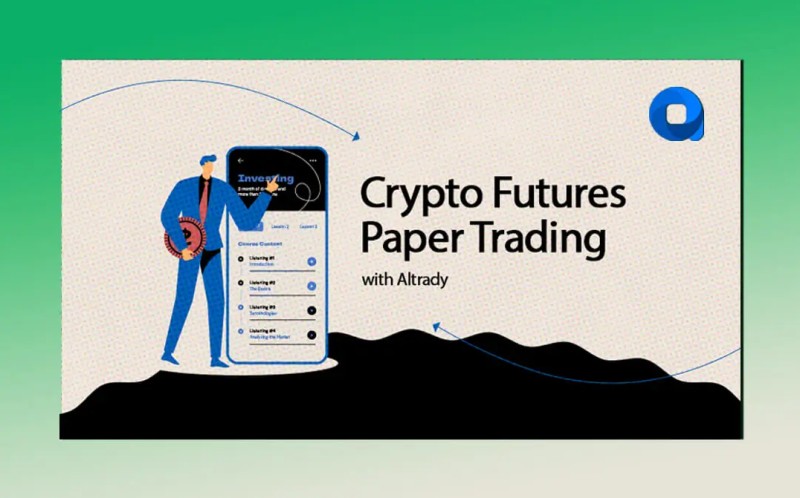
Note: Altrady paper trading is spot only at this time, per their own note. But the source lists other providers for futures paper trading. Binance, Bybit, Kucoin, Kraken, Bitfinex, BitMEX, CryptoHopper, and TradingView all show up for futures sim work.
Platforms and Tools for Crypto Paper Trading
A bunch of platforms support paper trading crypto. Coinrule has easy UI and pre-built plans. NinjaTrader gives a sim space for crypto futures with pro tools. Pi42 has clean charts and API tests for bots. Altrady does spot sim with multi-exchange view. TradingSim replays real moves with Level II data.
Tradetron gives a safe learning space with pre-built plans and risk controls. Bybit, Bitsgap, eToro, MEXC, 3Commas, Webull, Phemex, and Binance also offer paper modes. Some even let you test a crypto paper trading API for automated bots. If you want to track multiple plans at once, TradingView paper trading free is one option people use.
Providers noted for futures paper trading
- Binance: futures and spot paper, 500+ coins.
- Bybit: advanced functions, 1100+ coins.
- Kucoin: close imitation, 700+ coins.
- Kraken: strong for futures, 200+ coins.
- Bitfinex: many practice areas, 170+ coins.
- BitMEX: best for derivatives, 7+ coins.
How to Get Started with Crypto Paper Trading
Step one is pick a reliable platform with real-time data and tools like live trading. Pi42 and others give detailed charts and sim futures. Decide if you need spot or futures, since some are spot only right now.
Step two, set up a demo account. Most give virtual funds. Match the settings to live: leverage, position size, risk limits. On NinjaTrader you make a free account, log into sim, pick a contract, set params. On Altrady you use email, open trading, make a paper account, choose exchange.
Step three, build a plan with entry and exit points plus risk rules. Test scalping, swing, or trend follow. Use history to check it. Step four, start placing sim trades and watch performance. Step five, review and keep a journal. If you're learning cryptocurrency how to start , this step-by-step keeps it simple.
Strategies to Practice in Crypto Paper Trading
You can run a lot of plans in paper trading crypto before risking a dime. The source lists many that work in sim space.
Common strategies to try
- Scalping: fast trades for small gains, needs discipline.
- Swing trading: hold days or weeks.
- Trend following: use moving averages, watch highs and lows.
- Range trades: trade during flat price action.
- Breakout and momentum: trade key price levels.
- Mean reversion: bet price returns to average.
- Grid trading: orders at many price steps, profit from dips.
- DCA: buy on a schedule no matter the price.
For futures, the same source points to trend continuation, mean reversion, volatility-based, and time-based setups. If you want a crypto investing course feel without paying, paper trading is a solid self-taught path.
Risk Management and Emotional Aspects
Here's the catch. Paper trading lacks emotional reality. Real money triggers fear and greed. Fake money can make you take dumb risks you'd never take live. And some sims don't count fees, so watch that when you switch.
Don't get overconfident. Winning on paper doesn't mean winning live. Market data may lag a bit. Liquidity wicks can show on demo but not on live, causing fake liquidations. The source says treat paper trading seriously and build good habits like stop-loss and take-profit even in sim.
If you cannot generate profits through paper trading, it's improbable that you'll be successful in trading with genuine funds and additional stress.
When folks ask how do you make money off crypto , the honest answer starts with not losing it first. Paper trading helps you see how that works in practice.
Transitioning from Paper Trading to Live Trading
Move to live only after steady results over time. Paper builds technical confidence, but live adds emotions you can't fully rehears. Start small with small capital to limit risk. Stick to tested plans.
Recommended live practices
- Start with small position sizes.
- Use stop-loss orders.
- Avoid excessive leverage.
- Increase capital slowly as confidence grows.
- Keep a demo account to test even after going live.
The source suggests paper trading for at least three to six months before live crypto. Even after you switch, keep the demo open. Markets change and so should your plans.
Background: How Crypto Trading Works
Crypto trading is buying and selling digital assets like Bitcoin or Ethereum. Unlike old markets, it runs decentralized and 24/7. The basic idea is buy low, sell high. Exchanges never close, which brings both chance and risk.
Spot trading is direct buy and sell with real coins. Futures trade bets on future price without owning it. Margin trading borrows to enlarge size. Derivatives like options and perps are for complex plans. Order books match buyers and sellers, and makers add liquidity.
For Crypto trading for beginners , knowing these types matters before you open any sim. Emotions run hot in 24/7 markets and cause FOMO or panic. Automated trading removes some of that human error.
Common Questions on Paper Trading Crypto
People ask what crypto paper trading is. It's a sim method with virtual funds but real price moves. How do you trade on paper? Open a demo, use fake cash, place trades on live prices, track results.
Can beginners use it? Yes, it's ideal to learn platforms and order flow before real capital. Can you practice futures? Yes, many platforms allow it, though Altrady is spot only now. Why do it before live? To test plans, learn risk, gain confidence.
How realistic is it? Close, but not perfect. Data can lag and liquidity can lie. How long should you do it? At least three to six months, then keep a demo. Is it easier than real? Same work if you take it serious. You can win on paper and lose live due to unpredictability.
If you cannot generate profits through paper trading, it's improbable that you'll be successful in trading with genuine funds and additional stress.
AI-Driven Paper Trading Experiment
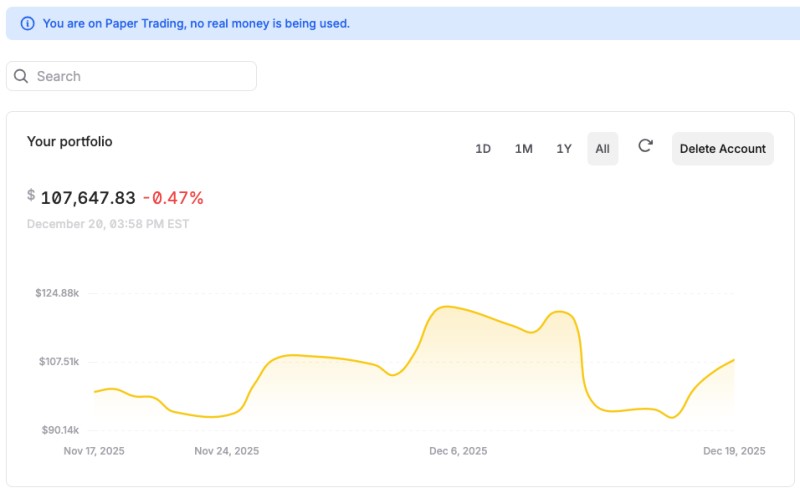
The source covers a test where they used Alpaca.markets paper trading with an LLM called Claude Code. They gave it $100,000 in paper funds to trade for about a month. The project was named Prophet, later Open Prophet. It used agents for options, scalping, hedging, and capital preservation.
Results: started at $100k, peaked at $120,431, dropped to $93,450, ended at $107,648. Max drawdown was -22.4%. The dip came from tech exposure and a Bitcoin drop from $87k to $80k that crushed short puts on MARA and RIOT. They recovered by cutting losers and flipping bearish.
The author stressed: used only paper trading, not real portfolio. LLMs hallucinate and don't follow rules. The point was to show paper trading as a safe test bed, not a money printer. If you read about best new crypto to buy , remember even AI on paper can get hit by a crash.
What Beginners Should Know First
If you're new, paper trading crypto is the safest way to learn. You don't need to know what is best cryptocurrency on day one. You need to learn how orders work and how price moves.
Start with basic order types like market and limit. Get comfy with the UI. Set a goal: learn charts, test one plan, or try a new asset. Keep it small and simple. The sandbox is there so you don't pay for early mistakes.
Paper trading is also a practicing technique new traders use to gain experience with their trading skills.
Reading the Market Without Real Risk
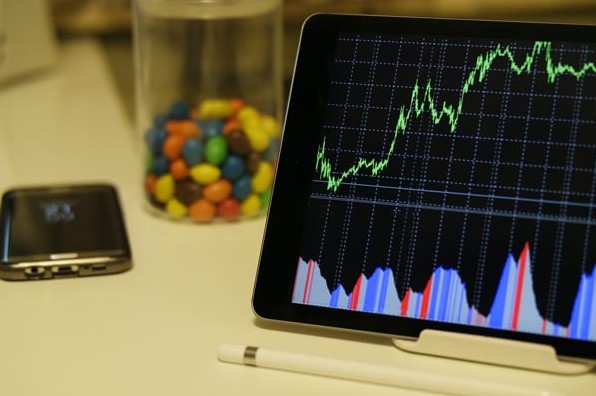
Paper trading crypto gives you real-time data to study trends. You can see how news hits price and how volume shifts. That's core market mechanics you'll need live.
For those who like books, a best books to learn about cryptocurrency list can help after you see charts in a sim. But the sim itself teaches faster than theory for a lot of people. Watch, trade, review, repeat.
Margin and Leverage in Paper Futures
Futures paper trading shows margin up close. Margin is the cash you need to hold a position. It changes with size and volatility. A sim lets you see this without a margin call on your bank.
Leverage like x20 or x50 makes moves big fast. The source says practice contract selection and order types in sim before live. NinjaTrader and Pi42 both give sim spaces for this with real charts.
Staying Honest in the Sandbox
A common trap is fake confidence. You win on paper with no fear, then choke on live with real cash. The source warns to keep risk habits in sim: stop-loss, take-profit, size control.
Another trap is skipping fees. Some platforms omit them. Add them in your head when you review. And don't ignore liquidity gaps. If the demo shows a wick that live wouldn't, note it. Paper trading crypto is a tool, not a crystal ball.
Can Paper Trading Make You a Funded Trader
Some folks aim to become a crypto funded trader after they prove a plan. Paper trading is where you build that proof. You show steady results before any firm gives you real size.
The source doesn't promise funding, but it does say consistent paper results matter. Live adds emotion you can't sim. So use the sandbox to remove dumb errors, then step up slow.
Picking Assets to Practice With
You don't need to chase best crypto with highest potential in a sim. Use BTC, ETH, or stablecoins the platform gives. Learn the mechanics first, then widen your list.
Many sims pre-load virtual BTC or USDT. You trade them like a real exchange. That's enough to learn order flow, fees, and chart reads before you pick niche coins.
Final Notes on the Sandbox
Paper trading crypto is not live, but it's the best free teacher out there. You get real data, fake cash, and room to fail. Use it for months, not minutes, if you're serious.
The source is clear: validate before you commit capital. If the plan breaks on paper, fix it there. Don't wait for live to teach you the hard way. Keep the demo even after you trade real. Markets shift and so should your edge.

Comments on “How to Start Paper Trading Crypto: Practice Strategies Without Risking Real Money”
No comments yet. Be the first to share your thoughts.